
When buying a mattress, 90% of people focus almost entirely on the interior—springs, latex, or memory foam—while completely overlooking the outermost layer: the mattress cover fabric.
The fabric not only determines the initial feel and softness when you lie down, but it also directly impacts breathability, heat dissipation, hypoallergenic properties, and long-term durability. Here is a breakdown of the most common mattress cover fabrics on the market to help you avoid marketing gimmicks and choose the right option for your sleep style.
1. Main Types of Mattress Fabrics Explained
1. Knitted Fabric
- Overview: The most widely used cover material for mid-to-high-end mattresses today, constructed using a knit technique that offers superior stretch and flexibility.
- Pros: Exceptionally soft and skin-friendly, contours smoothly to body movements, and offers excellent breathability.
- Cons: Low-density or low-weight knitted fabrics can pill or snag over time.
- Best For: Everyday sleepers looking for a soft, plush surface feel.
2. Cooling / Ice Silk Fabric
- Overview: Engineered with high-thermal-conductivity fibers, such as PE cooling fibers, PCM (Phase Change Materials), or mica microparticles.
- Pros: Delivers an instant cool-to-the-touch feel, rapidly absorbs and dissipates heat, and helps minimize night sweats.
- Cons: The cooling effect is primarily tactile; it works best in air-conditioned rooms or paired with lightweight bedding, and may feel too chilly during winter.
- Best For: Hot sleepers, people prone to night sweats, or those living in warm climates.
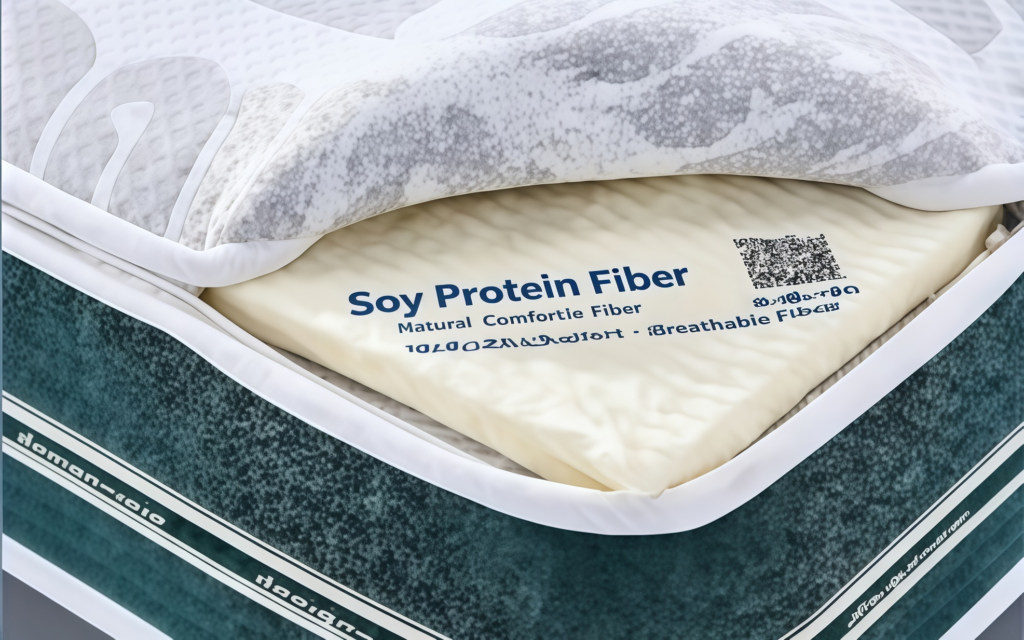
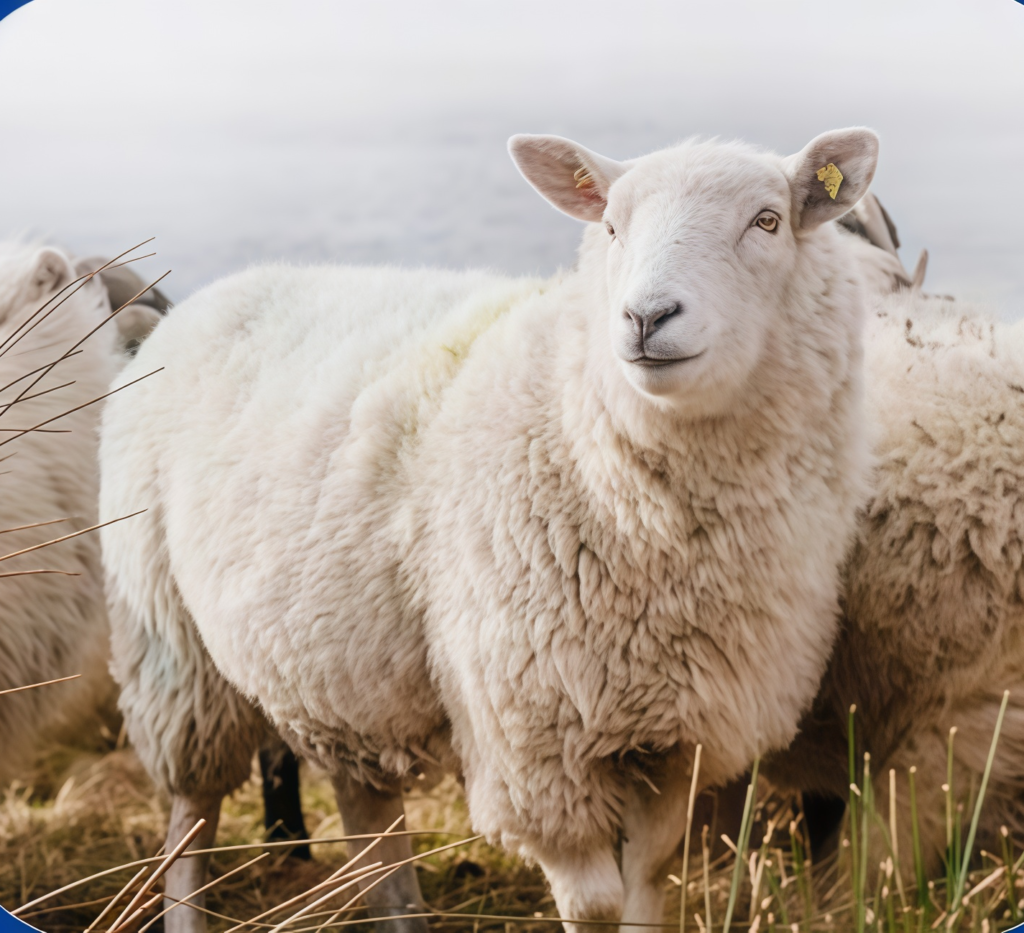
3. Organic & Natural Fabrics (Cotton, Wool, Bamboo)
- Overview: Crafted from renewable, natural raw materials.
- Pros: Hypoallergenic, excellent moisture-wicking and temperature-regulating properties, and static-resistant. Wool provides natural thermal balance, while organic cotton is gentle on sensitive skin.
- Cons: Higher price point; requires proper room ventilation to prevent moisture retention.
- Best For: Individuals with sensitive skin, babies/children, pregnant women, and eco-conscious shoppers.
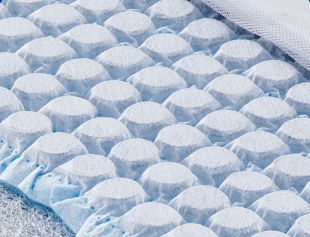
4. 3D / 4D Air Mesh Fabric
- Overview: Features a three-dimensional open-cell structure with dual mesh layers connected by vertical X-90° micro-pillars.
- Pros: Highly breathable, allowing air and moisture to flow freely; resistant to mold and mildew.
- Cons: Less plush or delicate to the touch compared to knitted fabrics; often used on mattress side borders to enhance ventilation or in specialty kids’ mattresses.
- Best For: Humid climates, heavy sleepers, and children’s mattresses.
5. Woven / Jacquard Fabric
- Overview: Created by weaving warp and weft threads together, often with intricate patterns woven directly into the textile.
- Pros: Densely woven, highly durable, resistant to wear and pilling, providing a crisp, structured appearance.
- Cons: Less elastic and stretchy compared to knitted alternatives.
- Best For: Sleepers who prefer a firmer mattress feel, seniors, or hospitality/hotel mattresses.
2. Mattress Cover Fabric Comparison
| Fabric Type | Plushness & Comfort | Breathability | Durability | Price Range | Best Suited For |
| Knitted Fabric | ★★★★★ | ★★★★☆ | ★★★☆☆ | Mid to High | All-around comfort / Daily use |
| Cooling Fabric | ★★★★☆ | ★★★★★ | ★★★★☆ | Mid to High | Hot sleepers / Night sweats |
| Natural Fabrics | ★★★★★ | ★★★★☆ | ★★★☆☆ | High | Sensitive skin / Babies / Eco-friendly |
| 3D Air Mesh | ★★★☆☆ | ★★★★★ | ★★★★★ | Mid to High | Humid regions / Side border airflow |
| Woven / Jacquard | ★★★☆☆ | ★★★☆☆ | ★★★★★ | Budget to Mid | Firm mattress lovers / High durability |
3. Buyer’s Checklist: 3 Key Metrics to Watch
- Check the Fabric Weight (GSM):
- GSM stands for Grams per Square Meter.
- Fabrics below $200 \text{ GSM}$ are thin and wear out quickly.
- Look for $300 \text{ GSM} \sim 500 \text{ GSM}$ in knitted fabrics for optimal thickness, softness, and longevity.
- Look for Safety Certifications:
- Prioritize fabrics certified by OEKO-TEX® Standard 100, which guarantees the material is free from harmful chemicals, heavy metals, and toxic flame retardants.
- Understand Anti-Mite Claims:
- Physical Anti-Mite: Achieved through high-density weaves that physically block dust mites from penetrating (safe, natural, and permanent).
- Chemical Anti-Mite / Silver Ion: Uses chemical treatments that may gradually diminish in effectiveness over time or after cleaning.
Summary
When selecting a mattress cover fabric, look past marketing buzzwords and align the material with your personal sleeping environment. For plush everyday comfort, choose a high-GSM knitted fabric; for warm nights, opt for cooling or 3D mesh fabrics; and for sensitive skin, stick with certified organic natural materials.