
Buying a new mattress can feel overwhelming with all the options available, but finding the right one comes down to a few core factors: sleeping position, firmness, inner materials, and temperature control.
This guide breaks down everything you need to know to make an informed decision without getting lost in technical jargon.
Step 1: Match Firmness to Your Sleeping Position
Firmness is rated on a standard scale from 1 to 10 (1 being cloud-soft, 10 being board-hard). Your ideal firmness primarily depends on how you sleep:
- Side Sleepers (Soft to Medium | 4–6): Need contouring around the shoulders and hips to relieve pressure points and keep the spine aligned.
- Back Sleepers (Medium to Medium-Firm | 6–7): Require a balance of gentle cushioning for the lower back and firm support under the hips.
- Stomach Sleepers (Medium-Firm to Firm | 7–8): Need a firmer surface to prevent the hips from sinking, which keeps the spine in a neutral position.
- Combination Sleepers (Medium | 5–7): Benefit from a responsive medium-firm mattress that makes turning over easy throughout the night.

Step 2: Choose the Right Interior Construction
The core materials define how the mattress feels, supports your body, and lasts over time.
1. Innerspring / Pocket Coils
- Feel: Bouncy, traditional support with strong edge firmness.
- Best For: Sleepers who like a classic feel, prefer easy movement, or want maximum airflow.
- Tip: Choose individually wrapped (pocket) coils over continuous wire grids to minimize motion transfer when a partner moves.
2. Memory Foam
- Feel: Deep contouring, slow response, and a “hugging” sensation.
- Best For: Side sleepers and anyone needing targeted pressure relief or excellent motion isolation.
3. Latex Foam
- Feel: Buoyant, springy support with quick response time.
- Best For: Sleepers who want pressure relief without feeling “stuck” in the mattress, plus excellent long-term durability.
4. Hybrid (Coils + Foam/Latex)
- Feel: The best of both worlds—combining the bounce and airflow of pocket springs with the pressure relief of foam or latex tops.
- Best For: Most sleepers looking for balanced support and comfort.
Step 3: Consider Key Functional Features
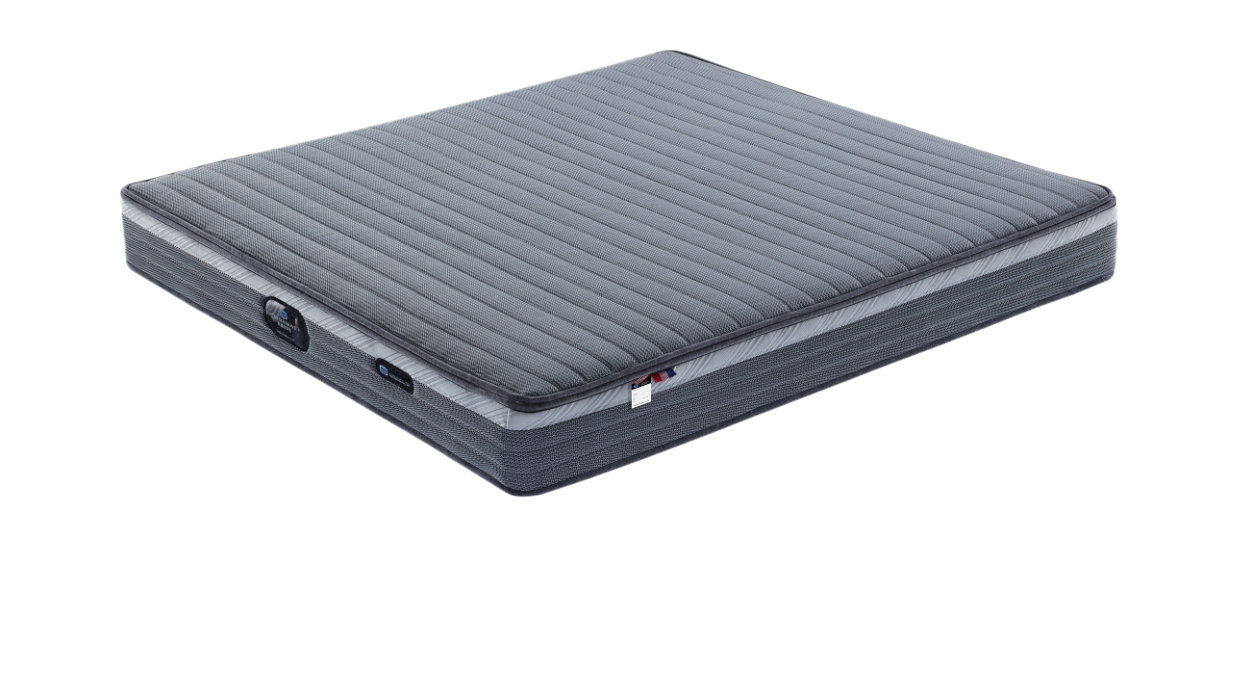
Beyond basic comfort, pay attention to these practical aspects before making a final choice:
- Temperature Regulation: If you sleep hot, look for mattresses featuring gel-infused foams, breathable pocket springs, or cooling top fabrics.
- Motion Isolation: Essential for couples or pet owners. Pocket coils and thick foam layers absorb movement so you don’t wake each other up.
- Edge Support: Reinforced edges make it easier to sit on the side of the bed and prevent the feeling of rolling off near the sides.
Quick Checklist Before You Buy
- Test for Support: Your spine should stay in a straight, neutral line whether lying on your back or side.
- Factor in Body Weight: Heavyweight sleepers ($>200\text{ lbs}$) generally need firmer support and thicker coil systems, while lightweight sleepers ($<130\text{ lbs}$) benefit from softer top layers.
- Check Trial Periods: Always choose brands offering a risk-free in-home sleep trial (ideally 90 to 100 nights) so you can test it in your own bedroom.