
Choosing the best mattress for back pain is not simply about choosing the softest or firmest mattress. A mattress should provide a balance of comfort, support and pressure relief while matching your preferred sleeping position.
If your mattress feels too soft, your body may sink too deeply. If it feels too firm, pressure can build around areas such as the shoulders and hips. Finding the right balance can make a significant difference to your overall sleeping comfort.
What Makes a Mattress Good for Back Support?
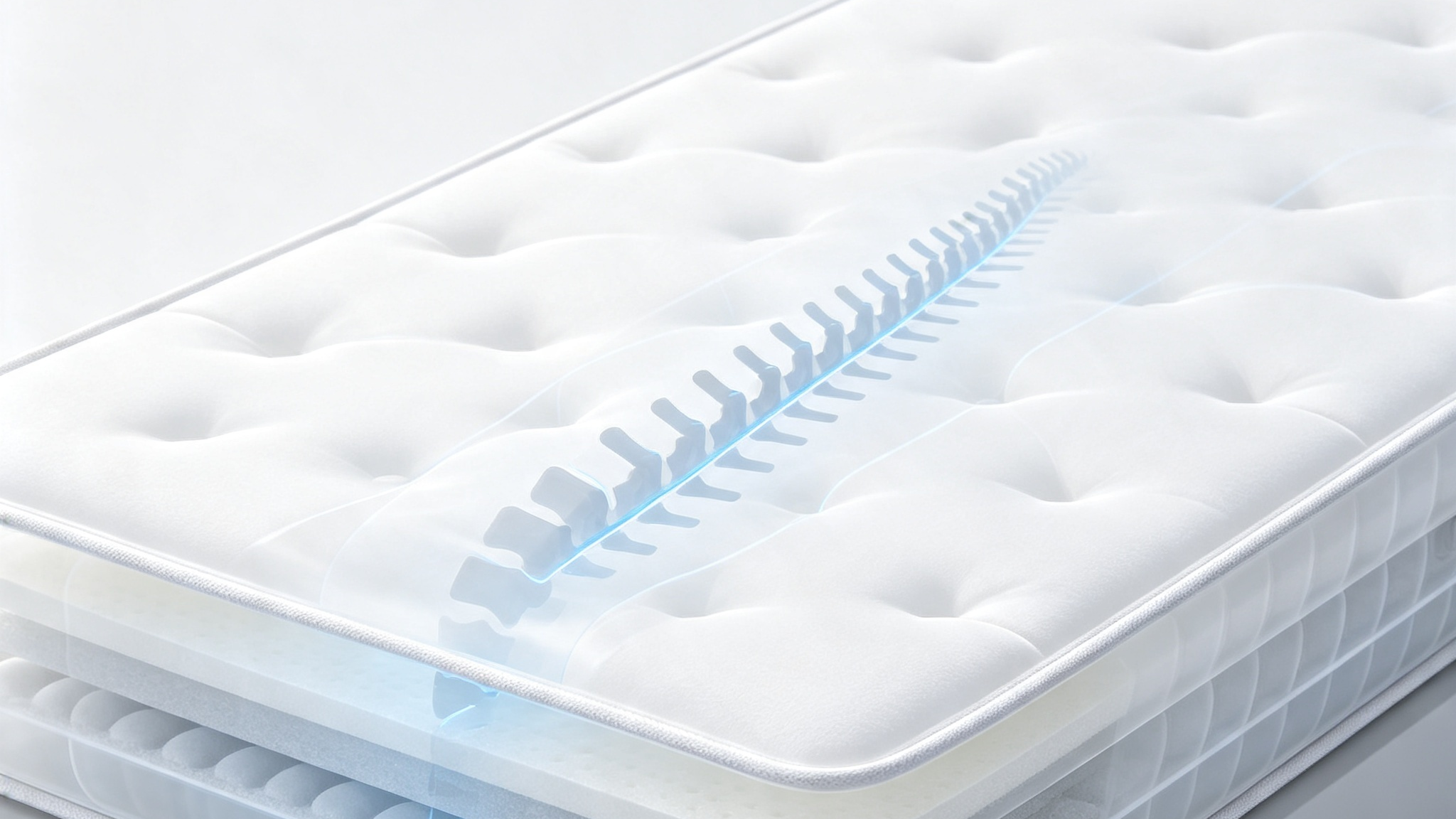
A mattress designed for better back support should provide consistent support across the body.
Important factors include:
- Mattress firmness
- Spinal support
- Pressure relief
- Mattress materials
- Pocket spring construction
- Foam comfort layers
- Breathability
- Sleeping position
Instead of focusing on one feature, consider how these elements work together.

Medium and Medium-Firm Mattresses
Many shoppers looking for a mattress for back pain consider medium or medium-firm options because they can provide a balance between cushioning and support.
A medium mattress can offer enough cushioning for comfort while maintaining a supportive feel underneath the body.
However, there is no single firmness level that works for everyone. Body weight, sleeping position and personal preference all affect how a mattress feels.
Pocket Springs for Support
Pocket spring mattresses are another popular option for people looking for supportive sleep.
Individually wrapped springs can respond independently to pressure. This allows different areas of the mattress to react to body movement rather than moving as one large unit.
A pocket spring mattress can also provide useful edge-to-edge support and reduce motion transfer between sleeping partners.
Foam for Pressure Relief
Foam layers can complement a pocket spring support system.
A comfort foam layer can gently contour around the body and help distribute pressure more evenly.
For example, Easy&Rest’s 8027# mattress combines Cloud-Feel Comfort Foam, Independent Silent Pocket Springs, Ice Silk fabric and a 3D breathable mesh border.
This type of layered construction combines cushioning with a supportive spring core.
Consider Your Sleeping Position
Your sleeping position is another important factor.
Side Sleepers
Side sleepers often benefit from a mattress with enough cushioning around the shoulders and hips.
Back Sleepers
Back sleepers generally need consistent support across the mattress while still having enough comfort to avoid excessive pressure.
Combination Sleepers
If you change positions during the night, a balanced mattress can provide greater versatility.
How to Choose the Best Mattress for Back Pain
When comparing mattresses, consider:
1. Firmness
Look for a firmness level that feels supportive without creating excessive pressure.
2. Support system
Pocket springs can provide independent support across different areas of the mattress.
3. Comfort layer
Foam or other cushioning materials can improve pressure distribution.
4. Breathability
Materials such as breathable fabrics and 3D mesh can help improve airflow.
5. Sleeping position
Choose a mattress that works with the way you normally sleep.
Final Thoughts
The best mattress for back pain is not necessarily the most expensive mattress or the firmest option available. The right choice depends on your sleeping position, preferred firmness and the balance between support and comfort.
A mattress combining pocket spring support and comfortable foam layers can be an excellent option for shoppers looking for balanced support and pressure-relieving comfort.