
A memory foam mattress uses pressure-responsive foam to create a comfortable and supportive sleep surface. The material gradually conforms to the body, which creates the familiar contouring feel that many sleepers enjoy.
Today, memory foam appears in many mattress designs. These include traditional all-foam models, hybrid mattresses, hotel mattresses and private label products.
However, every model can feel different. Foam density, thickness, firmness, ventilation and layer construction all influence the final sleeping experience.
For that reason, understanding mattress construction is important before choosing a memory foam mattress.
What Is a Memory Foam Mattress?
Memory foam is a type of viscoelastic polyurethane foam. The material responds to pressure and temperature during sleep.
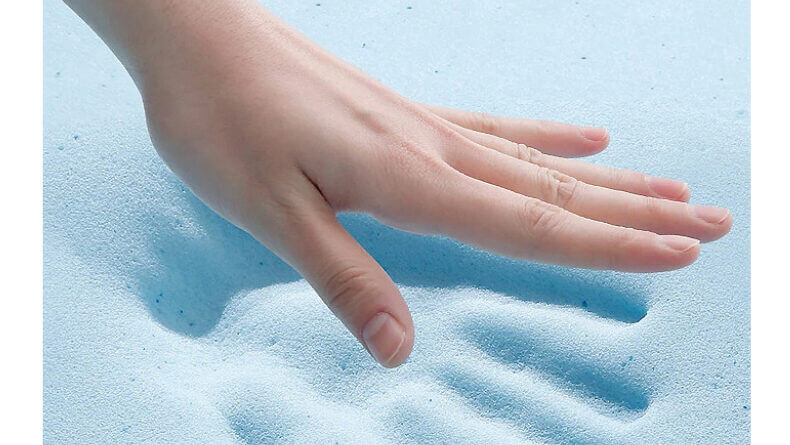
When you lie down, the foam gradually conforms to your body. After you move, it slowly returns toward its original shape.
A typical mattress may contain several layers:
- Knitted or quilted mattress cover
- Comfort foam
- Memory foam
- Transition foam
- Support foam
- Pocket springs in hybrid designs
Manufacturers can change the thickness and combination of these layers. As a result, they can create different firmness levels and comfort profiles.
This flexibility makes memory foam useful for both consumer mattresses and customized OEM products.
How Does a Memory Foam Mattress Work?
The pressure response of the foam creates its distinctive feel.
When body weight reaches the surface, the material compresses around the body. Instead of pushing back immediately, the foam gradually adapts to the pressure.
This design can create a close-contact sensation around the shoulders, hips and other pressure points.
Memory foam can also absorb movement. Therefore, less movement may travel across the mattress when a sleeping partner changes position.
Temperature can affect the feel as well. Some formulations become more flexible as they warm up, which can increase the contouring sensation.
Ultimately, the complete mattress construction determines the sleeping experience.
Benefits of a Memory Foam Mattress
1. Contouring Comfort
One major benefit is the way the material follows the body’s shape.
As a result, sleepers can experience cushioning around the shoulders, hips and other areas that receive pressure.
The exact sensation depends on the foam formulation and layer thickness. Some models offer gentle contouring, while others create a deeper body-hugging feel.
2. Pressure Relief
Memory foam can distribute body pressure across a larger contact area.
For example, side sleepers may appreciate additional cushioning around the shoulders and hips.
However, pressure relief does not mean that every sleeper needs a soft mattress. Body weight, sleeping position and personal preference also influence the ideal firmness.
3. Motion Isolation
Another advantage is strong motion isolation.
The foam absorbs movement instead of transferring it quickly across the surface. Consequently, couples may notice less disturbance when one person turns over or gets out of bed.
For this reason, motion isolation remains an important consideration when comparing different mattress constructions.
4. Flexible Firmness Options
Memory foam does not automatically mean a soft mattress.
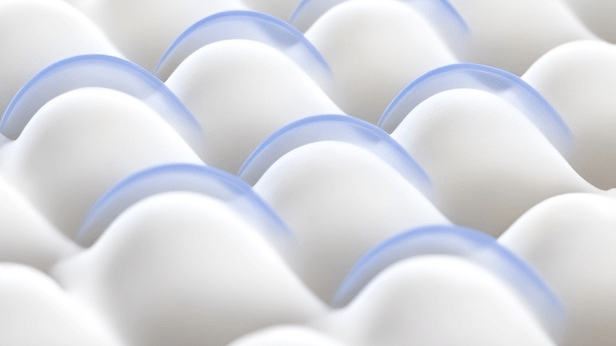
Manufacturers can produce soft, medium-soft, medium, medium-firm and firm designs. They can achieve these differences by adjusting foam formulation, layer thickness and the support system.
Therefore, brands can develop memory foam products for different customers and markets.
Types of Memory Foam
Modern mattress manufacturers use several approaches to memory foam construction.
Traditional Memory Foam
Traditional memory foam provides the classic slow-response sensation.
It can create deep contouring and a comfortable body-hugging feel. However, some sleepers may find certain traditional high-density constructions warmer.
Open-Cell Memory Foam
Open-cell foam uses a more open internal structure.
This design can encourage airflow through the material. As a result, manufacturers can balance contouring comfort with improved ventilation.
Gel-Infused Memory Foam
Some foam formulations include gel or other cooling-oriented materials.
The goal is to improve temperature management while maintaining the pressure-responsive characteristics of memory foam.
Even so, cooling performance depends on the entire mattress. The cover, foam layers and support system all contribute to airflow.
Memory Foam Hybrid
A memory foam hybrid combines foam comfort layers with a support system such as pocket springs.
Compared with an all-foam design, a hybrid can provide more responsiveness and airflow. At the same time, the memory foam layer can maintain contouring comfort and motion isolation.
What Firmness Is Best for a Memory Foam Mattress?
There is no single firmness level that works for everyone.
Sleeping position provides a useful starting point. Body weight and personal preference also matter.
Memory Foam Mattress for Side Sleepers
Side sleepers often need enough cushioning around the shoulders and hips.
For this reason, a softer or medium-soft comfort layer may provide a comfortable starting point.
However, heavier sleepers may need more support than lighter sleepers. Therefore, firmness should always match the individual sleeper.
Memory Foam Mattress for Back Sleepers
Back sleepers usually need a balance between surface comfort and underlying support.
A medium or medium-firm construction can work well for many people. Nevertheless, the support core plays an important role in maintaining the overall feel.
Memory Foam Mattress for Stomach Sleepers
Stomach sleepers often prefer stronger support through the center of the mattress.
A firmer construction can help reduce excessive sinking around the midsection.
Even so, the ideal choice depends on body type, sleeping position and personal comfort.
How Thick Should a Memory Foam Mattress Be?
Mattress thickness does not automatically determine quality.
For example, two mattresses can have the same overall thickness but feel completely different. Their internal materials, densities and layer configurations may vary significantly.
When comparing thickness, look at:
- Memory foam thickness
- Comfort layer thickness
- Transition layer
- Support core
- Foam density
- Overall layer configuration
Therefore, buyers should evaluate the complete construction rather than choosing a mattress based only on its total thickness.
Memory Foam Density vs. Firmness
Density and firmness describe different characteristics.
Density refers to the amount of foam material within a specific volume.
Firmness, on the other hand, describes how the mattress feels when someone applies pressure to its surface.
A high-density foam does not automatically create a firm mattress.
Instead, manufacturers can combine different densities and thicknesses to create a specific comfort profile.
For this reason, density should be considered together with firmness and overall layer construction.
Does Memory Foam Sleep Hot?
Temperature management is one of the most common concerns about some memory foam mattresses.
Traditional memory foam can create a close-contact surface. Consequently, some designs may retain more heat around the sleeper.
Manufacturers can use several approaches to improve airflow:
- Open-cell foam
- Breathable mattress covers
- Ventilated foam
- Gel-infused materials
- 3D breathable fabric
- Pocket spring systems
- Multi-layer airflow designs
In addition, the mattress cover can influence how air moves around the sleeper.
Therefore, it is better to evaluate the complete mattress construction instead of asking whether all memory foam mattresses sleep hot.
Memory Foam vs. Latex Mattress
Memory foam and latex provide noticeably different sleeping experiences.
Memory foam generally offers deeper contouring and stronger motion isolation.
Latex usually feels more responsive and buoyant. As a result, sleepers can move across the surface more easily.
Here is a simple comparison:
| Feature | Memory Foam | Latex |
|---|---|---|
| Contouring | High | Moderate |
| Responsiveness | Lower | Higher |
| Motion isolation | Excellent | Moderate |
| Body-hugging feel | Strong | Lower |
| Bounce | Low | Higher |
| Construction options | Many | Several |
Neither material is automatically better.
Instead, the right choice depends on the desired comfort, support and target customer.
Memory Foam vs. Hybrid Mattress
A traditional memory foam mattress relies mainly on foam layers.
A hybrid mattress combines foam with a spring support system, commonly pocket springs.
Memory foam can provide strong contouring and motion isolation. In contrast, a hybrid design can add responsiveness and airflow.
Therefore, customers who want cushioning together with stronger spring support may prefer a memory foam hybrid.
How to Choose a Memory Foam Mattress
Before buying a memory foam mattress, consider the complete product rather than the material name alone.
1. Consider Your Sleeping Position
First, identify whether you mainly sleep on your side, back or stomach.
Your sleeping position can help determine the appropriate firmness and cushioning level.
2. Choose the Right Firmness
Next, consider how soft or firm you want the mattress to feel.
A suitable firmness level should provide comfortable cushioning without sacrificing support.
3. Check Foam Density
Foam density can influence the feel and performance of the material.
However, density should not be used as the only measurement of mattress quality.
4. Review the Layer Construction
Look at the complete layer combination.
The comfort layer, memory foam, transition layer and support core all contribute to the final feel.
5. Consider Temperature Management
If you tend to sleep warm, look for breathable fabrics, open-cell foam, ventilation or hybrid construction.
These features can improve airflow throughout the mattress.
6. Check Mattress Thickness
Finally, consider the thickness of each important layer.
A thicker mattress is not automatically better. Instead, focus on how the layers work together.
Memory Foam Mattress for Hotels
Hotels often need mattress specifications that differ from residential products.
A hotel mattress must balance comfort, durability, consistency and cost.
For example, a hotel brand may prefer a medium-firm memory foam construction with a durable cover and a specific mattress thickness.
Manufacturers can customize several elements:
- Firmness
- Foam layers
- Mattress thickness
- Fabric
- Support system
- Mattress size
- Edge construction
- Packaging
As a result, hospitality companies can develop a mattress that matches their brand positioning and room requirements.
Custom Memory Foam Mattress for Private Label Brands
Memory foam also provides flexibility for private label mattress brands.
Instead of selling a generic mattress, a brand can develop a product around a specific customer group.
For example, a private label brand may request:
- Soft memory foam comfort
- Medium-firm support
- Memory foam with pocket springs
- Breathable 3D fabric
- Custom mattress thickness
- Roll-pack packaging
- Custom sizes
- Branded mattress covers
- Private label packaging
This approach allows brands to create a more differentiated product.
OEM Memory Foam Mattress Manufacturing
Distributors, retailers, hotels and private label brands often need more than a standard mattress specification.
An experienced OEM mattress manufacturer can help coordinate the complete product design.
The development process may include:
- Foam selection
- Layer configuration
- Firmness
- Mattress dimensions
- Fabric selection
- Packaging
- Roll packing
- Private labeling
- Sample development
- Production specifications
Furthermore, a clear specification helps maintain consistency between samples and mass production.
Frequently Asked Questions
Is a memory foam mattress good?
A memory foam mattress can work well for sleepers who prefer contouring comfort, pressure relief and motion isolation.
However, the ideal design depends on firmness, construction and individual preferences.
Is memory foam good for side sleepers?
Yes. The contouring properties can provide cushioning around the shoulders and hips.
However, side sleepers should still choose a firmness level that provides adequate support for their body type.
Is memory foam too soft?
Not necessarily.
Manufacturers offer memory foam mattresses across a wide range of firmness levels. In addition, the support core and transition layers influence the final feel.
How thick should a memory foam mattress be?
There is no universal ideal thickness.
Instead, evaluate the comfort layer, memory foam layer, transition layer and support core together.
Does memory foam retain heat?
Some traditional constructions can retain more heat because they create a close-contact sleeping surface.
However, breathable covers, open-cell foam, ventilation, 3D fabrics and hybrid designs can help improve airflow.
Can I customize a memory foam mattress?
Yes.
Manufacturers can customize the materials, firmness, thickness, dimensions, layer combinations, cover fabrics and packaging.
These options make memory foam suitable for hotels, distributors and private label brands.
Final Thoughts
A high-quality memory foam mattress depends on more than the foam itself.
The final sleeping experience comes from the relationship between density, firmness, thickness, support, ventilation and layer construction.
For consumers, understanding these factors makes mattress comparison easier.
For hotels, distributors and private label brands, the same principles can guide product development.
Easy&Rest provides custom mattress and OEM manufacturing solutions for brands developing memory foam, hybrid and other mattress constructions.
If you are developing a custom memory foam mattress, Easy&Rest can help define the materials, firmness, dimensions, layer configuration and packaging for your target market.