
When shopping for a mattress, most buyers focus entirely on springs, latex, or memory foam while completely ignoring the top cover: the mattress fabric. However, the surface fabric is the only layer in direct contact with your skin. It plays a decisive role in regulating sleeping temperature, maintaining airflow, and ensuring overall comfort. Choosing the wrong fabric can turn your investment into a night of heat, humidity, and skin discomfort.
1. Three Essential Criteria for High-Quality Mattress Fabrics
Before comparing materials, evaluate mattress fabrics against these three core performance metrics:
- Breathability & Moisture Wicking: The human body naturally releases moisture during sleep. Premium fabrics rapidly absorb and dissipate sweat, keeping the sleeping surface dry while inhibiting bacterial and dust mite growth.
- Hypoallergenic & Skin-Friendly Comfort: The fabric texture should feel silky-smooth without harsh chemical residues—crucial for sensitive skin, infants, and allergy sufferers.
- Durability & Elasticity: High-grammage, tightly woven fabrics resist pilling, snagging, and sagging under long-term pressure.
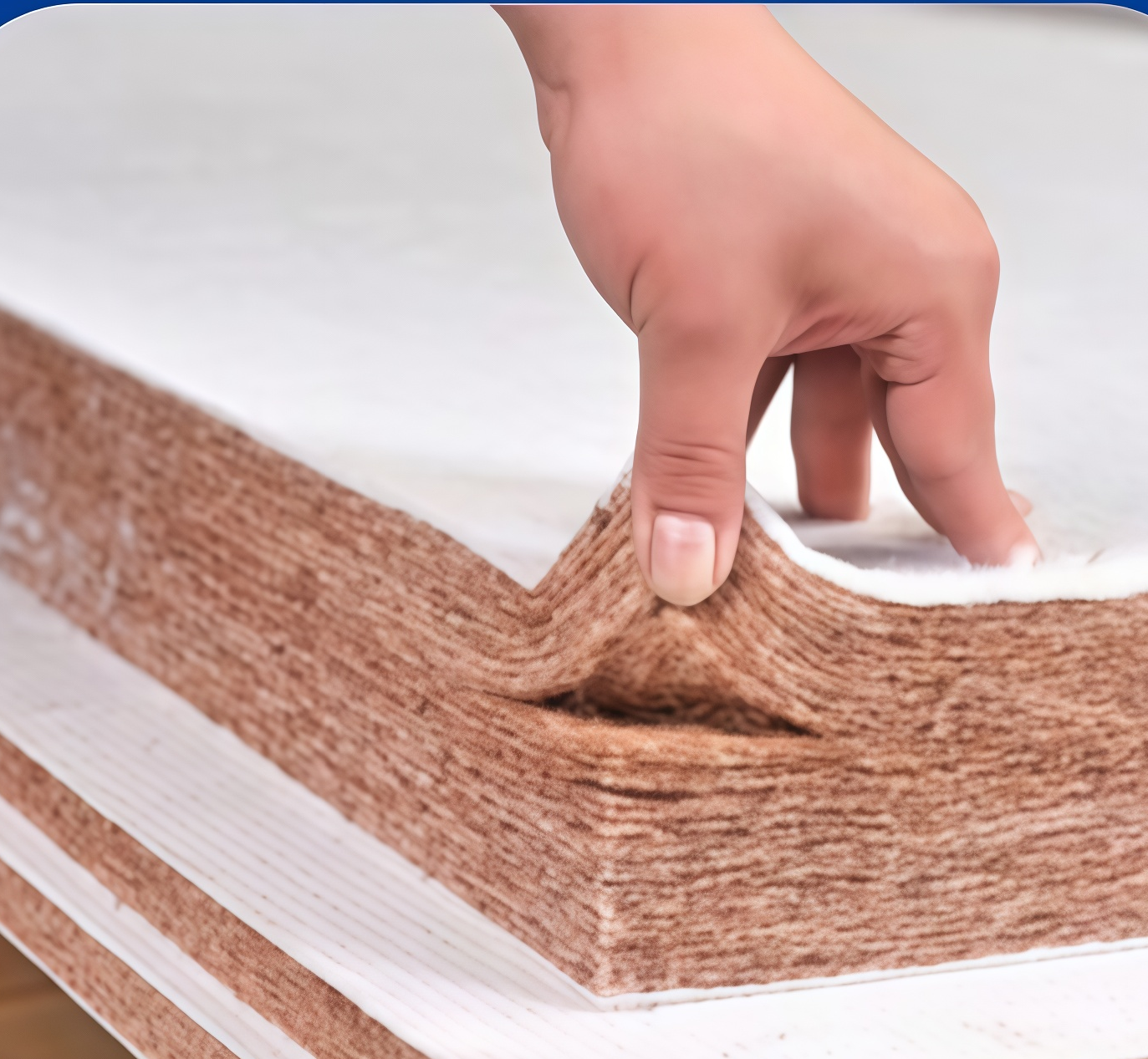
2. Top Mattress Fabric Types Compared
1) High-Grammage Knitted Fabric (Best for All-Around Comfort)
Crafted through advanced knitting techniques, this material offers superior stretch and a plush touch. It contours smoothly with your body, perfectly enhancing the pressure-relieving wrap of internal memory foam or latex layers.
2) 3D Air Mesh Fabric (Best for Hot Sleepers)
Engineered with a three-dimensional honeycomb micro-structure, 3D mesh facilitates active air circulation. It channels body heat away quickly, making it an ideal choice for hot sleepers and humid climates.
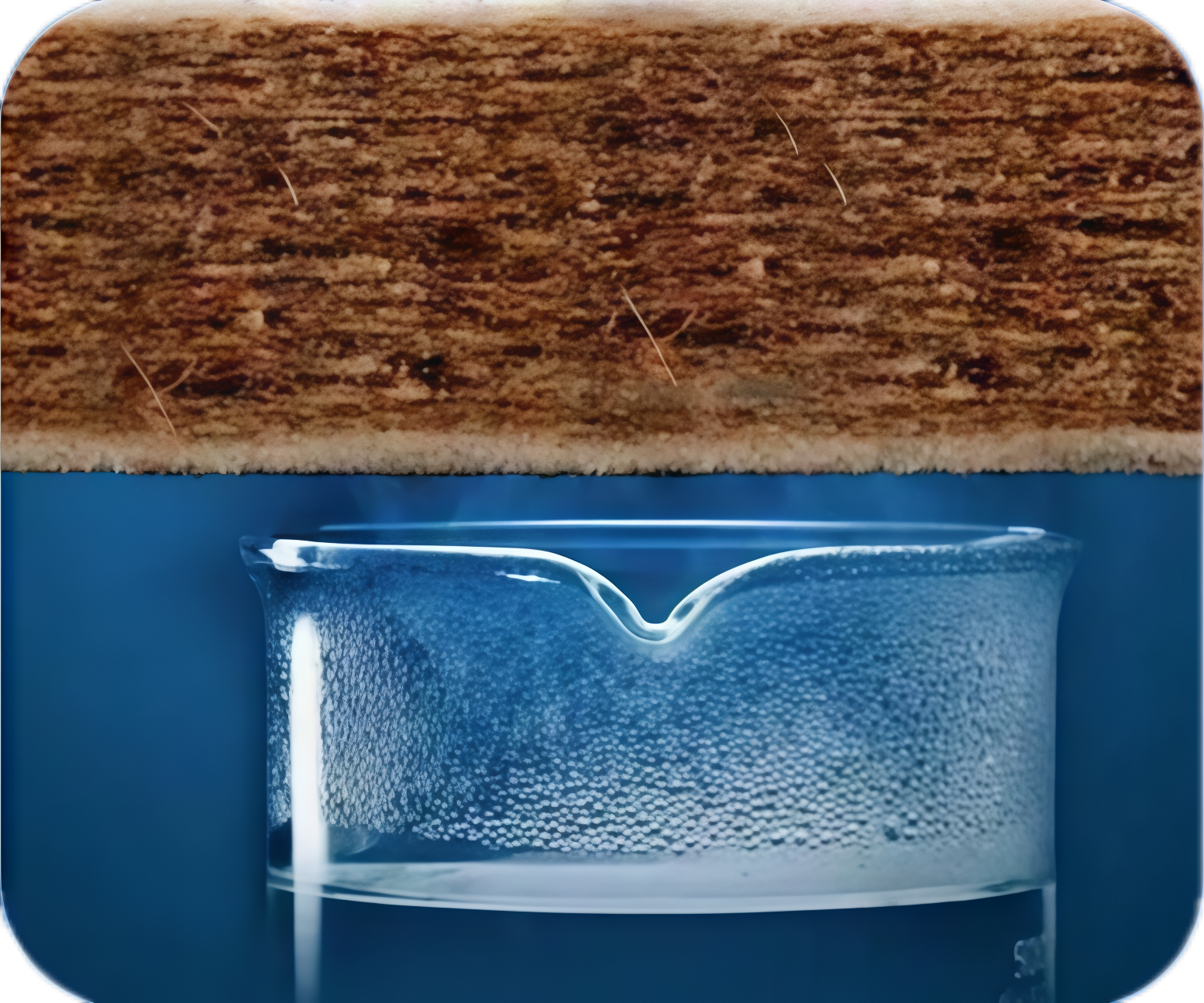
3) Organic Cotton & Bamboo Rayon (Best Natural & Eco-Friendly Option)
Derived from sustainable plant fibers, organic cotton and bamboo fabrics are naturally hypoallergenic, antibacterial, and moisture-absorbing. They provide a pure, chemical-free sleep surface suited for sensitive skin and eco-conscious shoppers.
3. Common Pitfalls to Avoid When Buying Mattress Cover Fabrics
- Avoid Low-Grammage Fabrics: Ultra-thin covers tear easily, pill quickly, and fail to buffer the firm feel of underlying springs.
- Beware of 100% Low-Grade Synthetic Polyester: Fabrics heavy in cheap polyester trap body heat, generate static electricity, and cause uncomfortable overheating during summer nights.
- Look for Certified Anti-Mite Treatments: Verify if the fabric holds safety certifications (such as OEKO-TEX® Standard 100) or features silver-ion antibacterial integration for long-term sleep hygiene.
Conclusion
A premium mattress must excel both inside and out. As your body’s primary touchpoint, the cover fabric dictates immediate tactile luxury and nightly thermal regulation. Prioritize moisture-wicking capabilities, hypoallergenic properties, and high weave density to ensure a restorative sleep experience every night.