
When shopping for a memory foam mattress, the material alone does not tell you how the mattress will feel. The memory foam mattress layers underneath the cover work together to determine comfort, pressure relief, responsiveness, cooling and overall support.
A mattress may have several foam layers, and each one can serve a different purpose. Understanding the construction makes it easier to compare mattresses and choose a design that matches your sleeping preferences.
What Are Memory Foam Mattress Layers?
Most memory foam mattresses are built with several functional sections rather than one solid block of foam.
The main sections usually include:
- A mattress cover
- A comfort layer
- A transition layer
- A support or base layer
The exact construction varies between mattress models. Some mattresses use several foam layers, while hybrid designs combine memory foam with pocket springs or other support materials.
The key point is that each layer has a different job.
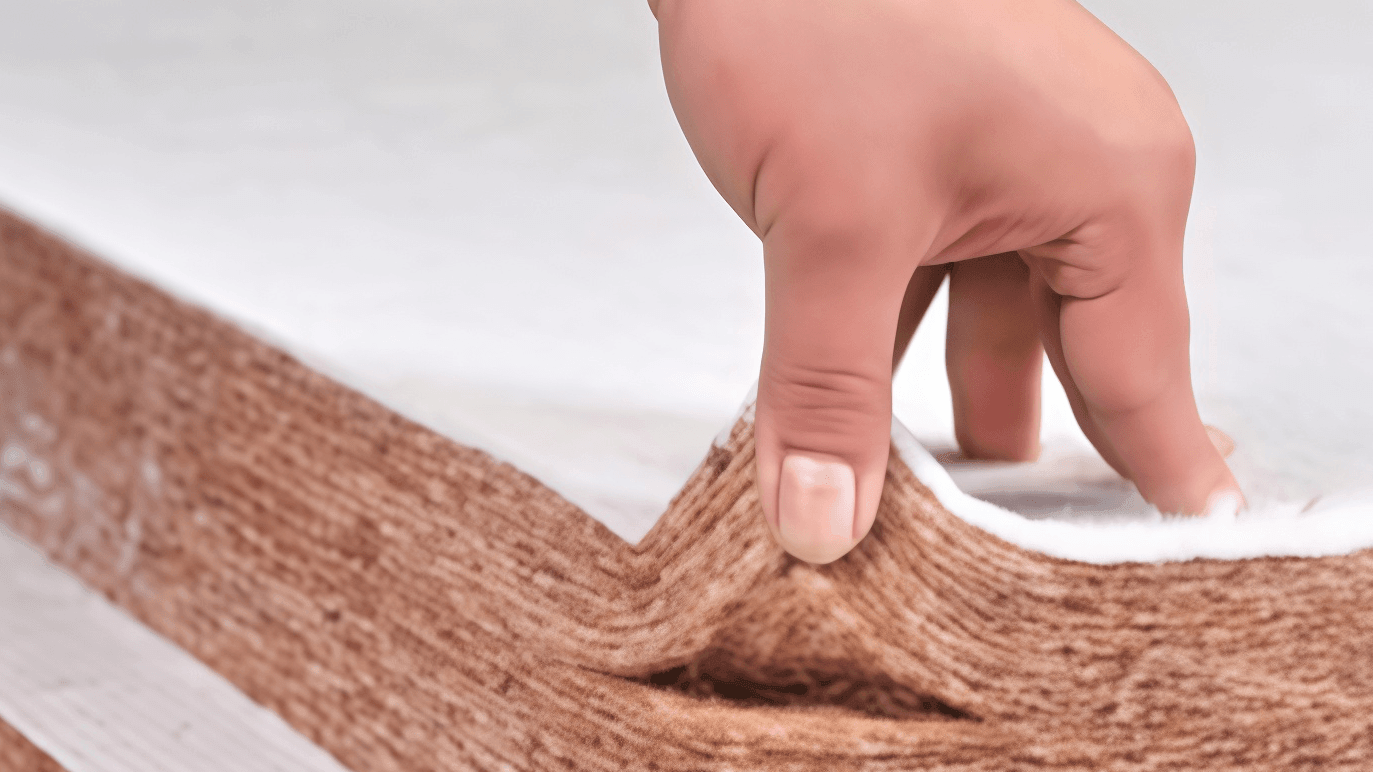
1. Mattress Cover
The cover is the outermost part of the mattress.
Although it is not technically a foam layer, it affects the first feel of the mattress and can also influence breathability and moisture management.
Modern mattress covers may use materials such as:
- Polyester
- Tencel
- Cotton
- Wool
- Cooling fabrics
- Stretch-knit fabrics
Some covers also contain a thin layer of quilted foam for additional softness.
For a cooling mattress, the cover can be particularly important because it is the first surface that comes into contact with your body.
2. Memory Foam Comfort Layer
The comfort layer is one of the most important memory foam mattress layers.
It sits near the top of the mattress and is responsible for much of the initial feel when you lie down.
Memory foam responds to body heat and pressure and can contour around the body. This can create a softer, more cushioned sensation while helping distribute pressure across the surface.
Depending on the mattress design, the comfort layer may use:
- Traditional memory foam
- Gel memory foam
- Cooling memory foam
- Open-cell foam
- Latex
- Quilted foam
Gel Memory Foam
Gel-infused memory foam is commonly used in mattresses designed with cooling in mind. Gel, open-cell structures and ventilation can be incorporated to help with heat management, although the overall temperature of a mattress also depends on the rest of its construction and the sleep environment.
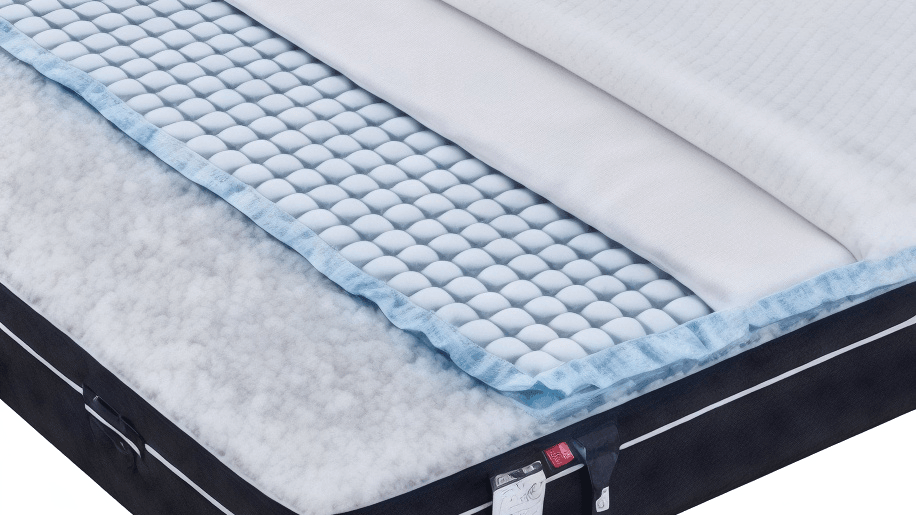
3. Transition Layer
The transition layer sits between the softer comfort materials and the deeper support system.
Its main purpose is to create a smoother change between the two areas.
Without an appropriate transition layer, a sleeper may sink too quickly through the softer foam into the firmer support structure.
Transition layers can be made from:
- Polyfoam
- Memory foam
- Latex
- Microcoils
They can also contribute to stability, durability and overall mattress feel.
The transition layer is therefore an important part of memory foam mattress layers, even though it is often overlooked when comparing mattresses.
4. Support Layer
The support layer is found deeper inside the mattress.
While the upper comfort layers determine much of the surface feel, the support layer provides the underlying structure of the mattress.
Common support materials include:
High-Density Foam
High-density foam can create a firm foundation and help maintain the structure of an all-foam mattress.
Pocket Springs
Some memory foam mattresses are actually hybrid mattresses.
In this construction, memory foam provides cushioning and pressure relief near the top, while individually wrapped pocket springs form the main support system.
Pocket springs can provide responsive support, airflow and motion isolation. Sleepopolis’ mattress construction examples also distinguish between memory foam comfort layers, transition foam and deeper support layers, while pocketed coils are used as an independently moving support system in hybrid designs.
Memory Foam vs. Hybrid Mattress Layers
One of the biggest differences in mattress construction is what happens beneath the comfort layer.
All-Foam Memory Foam Mattress
A typical all-foam design may look like:
Cover → Memory Foam → Transition Foam → Support Foam
This construction emphasizes contouring, cushioning and motion isolation.
Memory Foam Hybrid Mattress
A hybrid design may look like:
Cover → Memory Foam → Comfort / Transition Layer → Pocket Springs → Base
This construction combines the contouring feel of memory foam with the responsive support of springs.
Neither construction is automatically better. The best choice depends on the feel, support and temperature characteristics you prefer.
Why Do Memory Foam Mattress Layers Matter?
Two mattresses can both be marketed as “memory foam mattresses” but feel very different.
The difference can come from:
Foam type: Different foams have different levels of responsiveness and contouring.
Layer thickness: A thicker comfort layer can create a more pronounced cushioning feel.
Density: Foam density can affect durability, feel and performance.
Transition construction: This layer influences how smoothly the mattress moves from soft comfort to firm support.
Support core: A foam core and a pocket spring system produce different levels of responsiveness and airflow.
This is why looking only at the words memory foam mattress is not enough. It is often more useful to understand the complete layer construction.
How to Choose the Right Memory Foam Mattress Layers
Start with the way you want the mattress to feel.
For a softer, contouring feel
Look for a comfortable memory foam layer that provides deeper cushioning and pressure relief.
For a cooler sleep surface
Look for cooling-oriented materials such as breathable covers, gel memory foam and ventilation features. Cooling performance depends on the complete mattress construction rather than one material alone.
For more responsive support
A hybrid design with pocket springs underneath memory foam can provide a more responsive feel than a traditional all-foam construction.
For balanced comfort
A mattress with a memory foam comfort layer, transition layer and supportive base can provide a balance between cushioning and stability.
How Many Layers Should a Memory Foam Mattress Have?
There is no single number that makes a mattress good.
A mattress can have several layers, but what matters is how those layers work together.
At a minimum, a mattress needs an appropriate combination of:
Comfort + Transition + Support
Some designs add additional layers to improve cooling, pressure relief, responsiveness or durability.
More layers do not automatically mean better performance.
Example of a Memory Foam Hybrid Mattress
Easy&Rest Model 8391# is an example of a mattress that combines several materials rather than relying on memory foam alone.
Its construction includes:
- Ice Silk fabric
- Cooling gel memory foam
- Cool-fabric pocket springs
- 3D breathable mesh
- 23 cm overall height
- Medium-soft firmness
This type of construction combines a memory foam comfort layer with a pocket spring support system, giving the mattress both contouring comfort and responsive support.
You can learn more about this type of construction on the Easy&Rest mattress product range.
Final Thoughts
Understanding memory foam mattress layers makes it easier to look beyond marketing terms and evaluate how a mattress is actually constructed.
The cover affects the surface experience, the comfort layer controls much of the initial cushioning, the transition layer helps balance the construction, and the support layer provides the foundation.
When comparing mattresses, look at the complete layer system, not just whether the mattress contains memory foam.
That approach can help you find a mattress with the right combination of comfort, cooling, pressure relief and support for your needs.