
A bed bug mattress encasement is a zippered cover designed to surround the entire mattress, including its top, bottom, and sides. When it is specifically made for bed bug protection, correctly fitted, fully closed, and kept intact, it can trap bed bugs already inside the mattress and remove many mattress hiding places. It does not eliminate bed bugs hiding in the bed frame, headboard, furniture, or the rest of a room.
The US Environmental Protection Agency (EPA) recommends bed-bug-proof encasements with zippers that close completely and construction sturdy enough to last a year. The EPA treats encasements as one part of a broader bed bug control plan, not a complete treatment on their own.
This guide explains how an encasement works, how it differs from a regular protector, and what to check before buying and installing one. Public-health guidance is cited; product-specific performance still needs confirmation from the manufacturer.
- Full coverage around all six sides of the mattress.
- A zipper that closes completely, with a secure end closure.
- Fabric and seams durable enough to resist tearing during normal use.
- A snug fit that matches the mattress size and depth without overstretching.
- Clear care instructions and a product description specifically identifying it for bed bug use.
These are selection checks, not a claim that every zippered or washable mattress cover is bed-bug-proof.
1. What Is a Bed Bug Mattress Encasement?
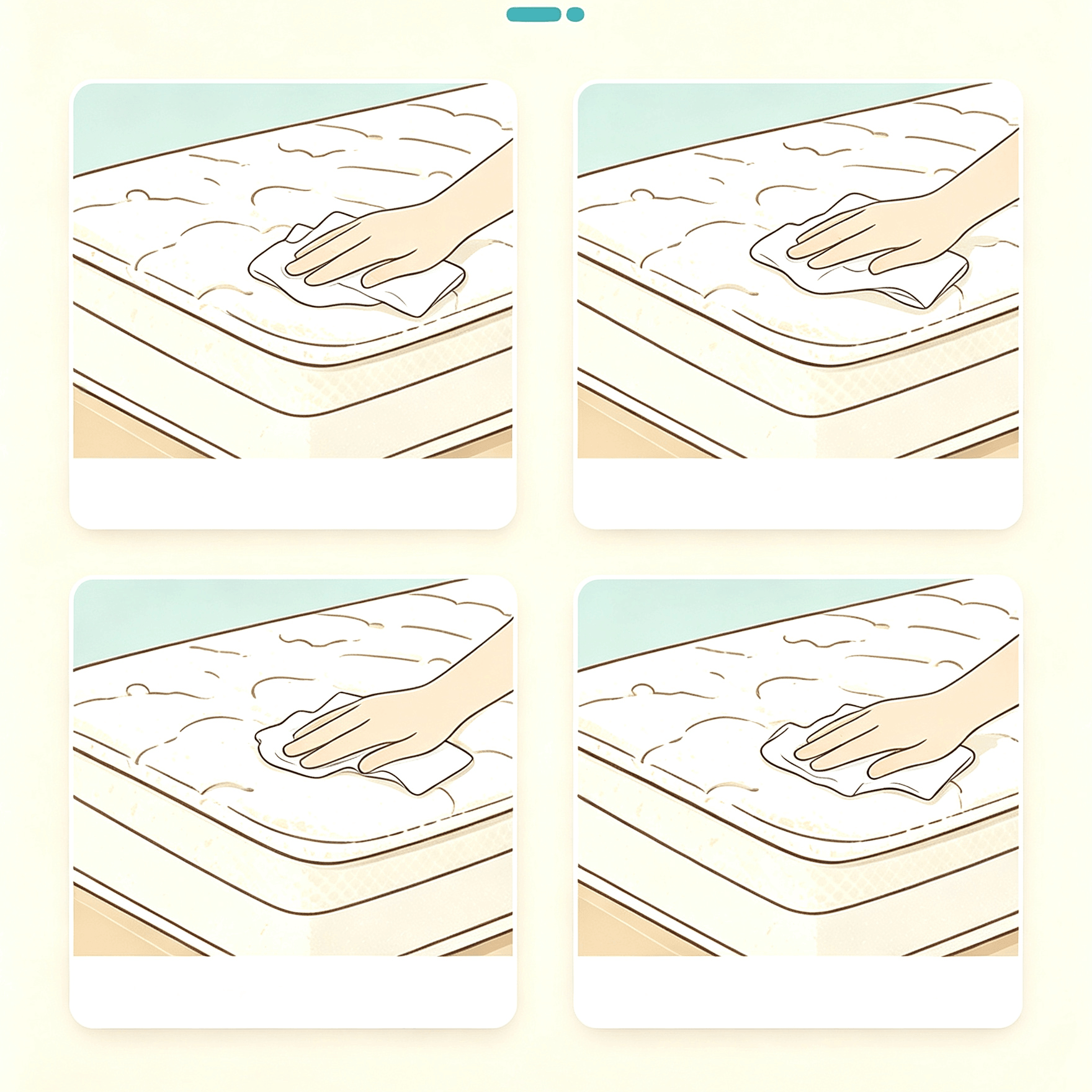
A bed bug mattress encasement is a zippered fabric cover that completely surrounds a mattress. It limits access to hiding places inside the mattress and can enclose insects already there. The University of Minnesota Extension defines an encasement as a zippered cover that completely fits around a mattress or box spring, and recommends one specifically designed for bed bug protection.
Mattress Encasement vs. Mattress Protector
A regular mattress protector is usually selected for everyday mattress care, such as helping protect against spills, stains, or general wear. Protector designs vary: some fit like a fitted sheet, while others have a zipper. A zipper by itself does not prove that a product is suitable for bed bug control.
A bed bug encasement is intended to enclose the complete mattress. Its coverage, seams, fabric, zipper, and zipper-end design all matter. If bed bug protection is the purpose, choose a product explicitly designed for that use and look for product-specific testing or documentation. Do not infer bed bug performance from words such as “waterproof,” “washable,” “hypoallergenic,” or “zippered.”
What Is a Box Spring Encasement?
A box spring is a separate bed foundation that may sit beneath a mattress. It can contain hiding places of its own, so a mattress encasement does not protect the box spring. If your bed uses a box spring, inspect it separately and use a separate encasement made for its dimensions when appropriate.
The University of Minnesota Extension bed bug guidance explains that encasements can be used on both mattresses and box springs.
2. How Does a Bed Bug Mattress Encasement Work?
A bed bug mattress encasement works as a physical barrier around the mattress. It can limit access to mattress seams and folds and can trap bed bugs that are already inside, provided the cover is correctly fitted, fully zipped, and remains undamaged.
It Covers Common Mattress Hiding Areas
Bed bugs can hide in mattress seams, folds, tufts, labels, and other narrow spaces. A full encasement covers these areas so insects cannot use the mattress interior as an accessible hiding place while the cover remains intact.
The EPA recommends encasing mattresses and box springs as one way to eliminate many hiding spots. It also notes that a light-colored cover can make bed bugs easier to see during inspection.
It Can Trap Bed Bugs Already Inside
If bed bugs are inside the mattress when it is enclosed, a suitable and intact encasement can trap them inside. The EPA says the trapped insects will eventually starve, but the cover must stay closed and durable during that period. The EPA’s preparation guidance calls for a cover with a zipper that closes completely and is sturdy enough to last a year; its bed bug prevention tips also advise leaving encasements on for a year.
Do not treat one year as a guarantee that every infestation has been eliminated. Follow the actual product instructions and the pest management professional’s control plan. A university extension service or professional may give instructions based on the infestation and the specific product.
It Does Not Protect the Entire Bedroom
An encasement protects the mattress it surrounds. It does not cover the bed frame, headboard, bedside furniture, baseboards, luggage, or other possible hiding places. Bed bugs outside the encasement may still reach the bed.
3. What Features Should You Look for in a Bed Bug Mattress Protector?
When shopping for a bed bug mattress protector, look for bed bug-specific design evidence rather than general protective claims. Public-health guidance emphasizes complete coverage, secure closures, durability, and regular inspection.
Full Six-Sided Coverage
Confirm that the encasement surrounds the top, bottom, and all four sides of the mattress. A cover that protects only the sleeping surface is not a full encasement. Review product images and written specifications to understand how the cover closes underneath the mattress.
A Zipper That Closes and Stays Closed
Check that the zipper closes along its full length and that the end is secured according to the product design. Tennessee Extension describes bed bug encasements with a zipper mechanism modified to keep the zipper from backing off its stop. This matters because an opening at the zipper end can compromise the enclosure.
Ask the manufacturer how the zipper end is protected. Do not assume that every zipper, zipper flap, or locking tab has been tested for bed bug containment.
Durable Fabric and Secure Seams
The fabric and seams need to remain intact during normal use. The EPA advises choosing a high-quality encasement that resists tearing and checking it regularly for holes. Examine seam finishing, fabric strength, and the fit around corners.
A material description alone is not proof of bed bug resistance. If a seller makes a specific “bite-proof” or “bed-bug-proof” claim, request the test method or supporting product documentation rather than relying on a marketing phrase.
A Correct, Snug Fit
Measure the mattress width, length, and depth before ordering. Include any pillow-top or additional surface layer in the depth measurement. A cover that is too small may put excess stress on its seams and zipper; one that is too loose may bunch up and become harder to inspect.
Use the manufacturer’s size chart and ask for confirmation if your mattress is unusually deep or has a nonstandard shape. Measure a box spring separately if it also needs an encasement.
Light Color and Clear Care Instructions
The EPA notes that a light-colored encasement can make bed bugs easier to see. This can help with visual inspection, although it does not replace checking the rest of the bed and room.
Check washing and drying instructions before buying. If the cover is containing bed bugs, do not remove it for routine washing unless your pest professional’s plan allows it.
4. Bed Bug Mattress Encasement vs. Regular Mattress Protector
These products can look similar in online photographs, but their intended functions are different. A normal protector may help with daily spills or stains. A bed bug encasement is designed to surround the full mattress and provide a secure physical barrier.
| Feature | Regular Mattress Protector | Bed Bug Mattress Encasement |
|---|---|---|
| Main purpose | Everyday protection, such as helping guard against spills or stains | Designed to enclose the mattress and restrict bed bug access or escape |
| Coverage | May cover only the top and sides; designs vary | Should surround all six sides of the mattress |
| Closure | May use elastic edges, a fitted shape, or a zipper | Uses a full zipper designed to close securely |
| Bed bug-specific evidence | Do not assume it has been designed or tested for bed bugs | Look for explicit bed bug-use instructions and product-specific documentation |
| Inspection | Depends on design and fabric color | Light colors may make insects easier to spot; inspect seams and zipper regularly |
| Role in control | Not a substitute for a bed bug encasement | One part of a broader inspection and control plan |
A regular protector may sometimes be placed over an encasement for everyday cleaning, provided both manufacturers’ instructions allow it. The outer protector does not replace the fully zipped encasement underneath.
5. How to Measure and Install a Bed Bug Mattress Encasement
Correct sizing and careful installation help avoid unnecessary strain. Read the manufacturer’s instructions and keep the cover away from sharp edges while fitting it.
Measure the Mattress Before Ordering
- Measure the mattress width and length.
- Measure the full depth, including pillow-top or other built-up layers.
- Check the product size chart and its maximum mattress depth.
- Measure the box spring separately if it also requires an encasement.
- Ask the seller to confirm fit if the mattress is an unusual size or shape.
Inspect the Mattress and Bed Base
Look at mattress seams, labels, folds, and the underside before fitting the cover. Check the frame and foundation for protruding screws, sharp corners, rough edges, or broken parts that could puncture the fabric.
If bed bugs are suspected or confirmed, avoid moving potentially infested items through the home without containment. Follow the preparation instructions supplied by a pest management professional or public health authority.
Install the Encasement Carefully
- Clear enough space to handle the mattress safely.
- Follow the manufacturer’s fitting method; get help with a large or heavy mattress if needed.
- Position the cover evenly so that it is not twisted, overstretched, or folded excessively.
- Close the zipper completely and secure its end or locking feature exactly as instructed.
- Inspect the corners, seams, fabric, and zipper for gaps, snags, or damage.
Do not force an undersized cover onto the mattress. Excessive tension can damage the zipper or seams. If the cover does not fit as intended, stop and contact the manufacturer for a suitable size.
6. How Long Should a Bed Bug Mattress Encasement Stay On?
Keep the cover in place for the duration specified by the product instructions and pest-control plan. Removing it too early may release insects still trapped inside.
What the EPA Recommends
The EPA’s bed bug treatment-preparation guidance says to choose covers with zippers that close completely and that are sturdy enough to last for a year. The EPA’s prevention tips advise leaving encasements on for a year. This is a specific public-health recommendation, not a claim that every brand has a one-year warranty or that an encasement alone clears an entire room.
Some extension or pest-management guidance may recommend a different duration depending on the situation. Follow the pest professional’s instructions and the product’s care requirements rather than applying one time period to every case.
Inspect the Encasement While It Is in Use
Check the outer fabric, seams, corners, and zipper regularly. Look for holes, tears, worn patches, broken zipper teeth, or an end closure that has come loose. Pay particular attention to points that rub against the bed frame.
If the cover is damaged, do not assume it remains a reliable barrier. Contact the manufacturer or pest professional for advice on an approved repair or replacement. Avoid removing the cover in a way that could release trapped insects.
Clean It Only as the Manufacturer Allows
Care instructions vary by fabric. Follow the label for washing, drying, and cleaning products. If an infestation is being managed, ask the pest professional before removing the cover.
7. Is a Mattress Encasement Enough to Prevent Bed Bugs?
No. An encasement protects only the mattress it surrounds. Bed bugs can also hide in box springs, bed frames, headboards, nearby furniture, baseboards, luggage, and other cracks. The EPA recommends integrated pest management (IPM), not reliance on one product.
Inspect the Complete Bed
Check the mattress, box spring, bed frame, headboard, and nearby furniture. If your setup includes a box spring, assess it separately and use a purpose-made box-spring encasement when appropriate. An encasement for the mattress is not automatically sized or shaped for the foundation.
Use Interceptors and Keep the Bed Isolated
Bed bug interceptors are small devices placed under bed legs to help detect insects as they move between the floor and the bed. The EPA includes interceptors in its preparation guidance and advises checking them regularly. The EPA also recommends moving the bed away from the wall and keeping bedding from touching the floor so insects have fewer routes onto the bed.
Reduce Clutter and Monitor Nearby Areas
Reduce clutter so nearby hiding places are easier to inspect. Check secondhand furniture before bringing it indoors, and inspect luggage and belongings after travel. Bed bugs can travel on belongings; their presence is not proof of poor housekeeping.
When to Contact a Pest Professional
If you find live bed bugs or convincing signs of an infestation, consider professional identification and inspection. The University of Tennessee Extension notes that other insects can be mistaken for bed bugs and recommends confirming identification before undertaking costly control measures. A professional can assess the room and advise on treatment, monitoring, and the correct use of encasements.
Read the EPA’s integrated pest management guidance for an overview of combined control measures.
8. Bed Bug Mattress Encasement FAQs
Does a regular waterproof mattress protector stop bed bugs?
Not necessarily. A waterproof protector may not fully enclose the mattress or have a zipper and seams designed for bed bug containment. Choose a product explicitly made for bed bug use and confirm its coverage and closure details.
Can bed bugs escape from a mattress encasement?
A correctly fitted, intact encasement with a fully secured closure is designed to keep bed bugs contained inside the mattress. Tears, holes, open seams, or a zipper that is not fully closed can compromise the barrier. Inspect the cover regularly and follow the manufacturer’s instructions.
Should I encase the box spring as well as the mattress?
If your bed has a box spring, inspect it separately. Bed bugs can hide in box springs as well as mattresses, and the EPA recommends covers for both. Use a separate encasement designed for the box spring’s size and shape.
How long should I leave a bed bug encasement on?
The EPA advises choosing an encasement sturdy enough to last a year and its prevention guidance says to leave encasements on for a year. Follow the product instructions and your pest professional’s plan, which may vary with the circumstances.
Does a bed bug mattress encasement eliminate an infestation?
No. It can trap insects inside the enclosed mattress and remove many mattress hiding places, but it does not treat bed bugs elsewhere in the room. Use it as one part of inspection, monitoring, and integrated pest management.
Sources and Further Reading
The bed bug control statements in this guide are based on the following public agencies and university extension resources:
- US Environmental Protection Agency (EPA): Preparing for Treatment Against Bed Bugs — complete zipper closure, durable encasements, mattress and box-spring covers, bed isolation, and interceptors.
- US Environmental Protection Agency (EPA): Protecting Your Home from Bed Bugs — tear resistance, light-colored covers, and regular inspection for holes.
- US Environmental Protection Agency (EPA): Top Ten Tips to Prevent or Control Bed Bugs — advice to leave encasements on for a year.
- US Environmental Protection Agency (EPA): Controlling Bed Bugs Using Integrated Pest Management — encasements and interceptors as parts of a wider control program.
- University of Minnesota Extension: Bed Bugs — what an encasement is, where it is used, and the need for bed-bug-specific products.
- University of Tennessee Extension: Bed Bug Information for Residents and Homeowners — zipper-stop design, intact covers, regular inspection, and professional identification.
Final Thoughts: Choose a Bed Bug Encasement for Its Verified Design
A bed bug mattress encasement should fully surround the mattress, close securely, fit without excessive tension, and remain intact during use. Check the zipper and seams as carefully as the fabric, and choose a product specifically designed for bed bug protection.
Most importantly, understand what the cover can and cannot do. It can help contain bed bugs in the mattress and reduce mattress hiding places, but it does not treat the rest of a room. Combine it with inspection, monitoring, and professional guidance when an infestation is suspected or confirmed.