
A queen mattress is a practical choice for many bedrooms, but finding the right one involves more than choosing a standard size. Mattress thickness, comfort materials, firmness, foundation compatibility, and bedding can all affect how the finished bed feels and functions.
A mattress that looks suitable online may be too tall for your existing bed frame, too firm for your preferences, or difficult to fit with the sheets you already own. Understanding these details before purchasing can help you avoid unnecessary costs and make a more informed decision.
This queen mattress guide explains standard dimensions, mattress height, common construction types, firmness considerations, and essential setup tips. Whether you are furnishing a new bedroom or replacing an existing mattress, you will learn what to check before placing an order.
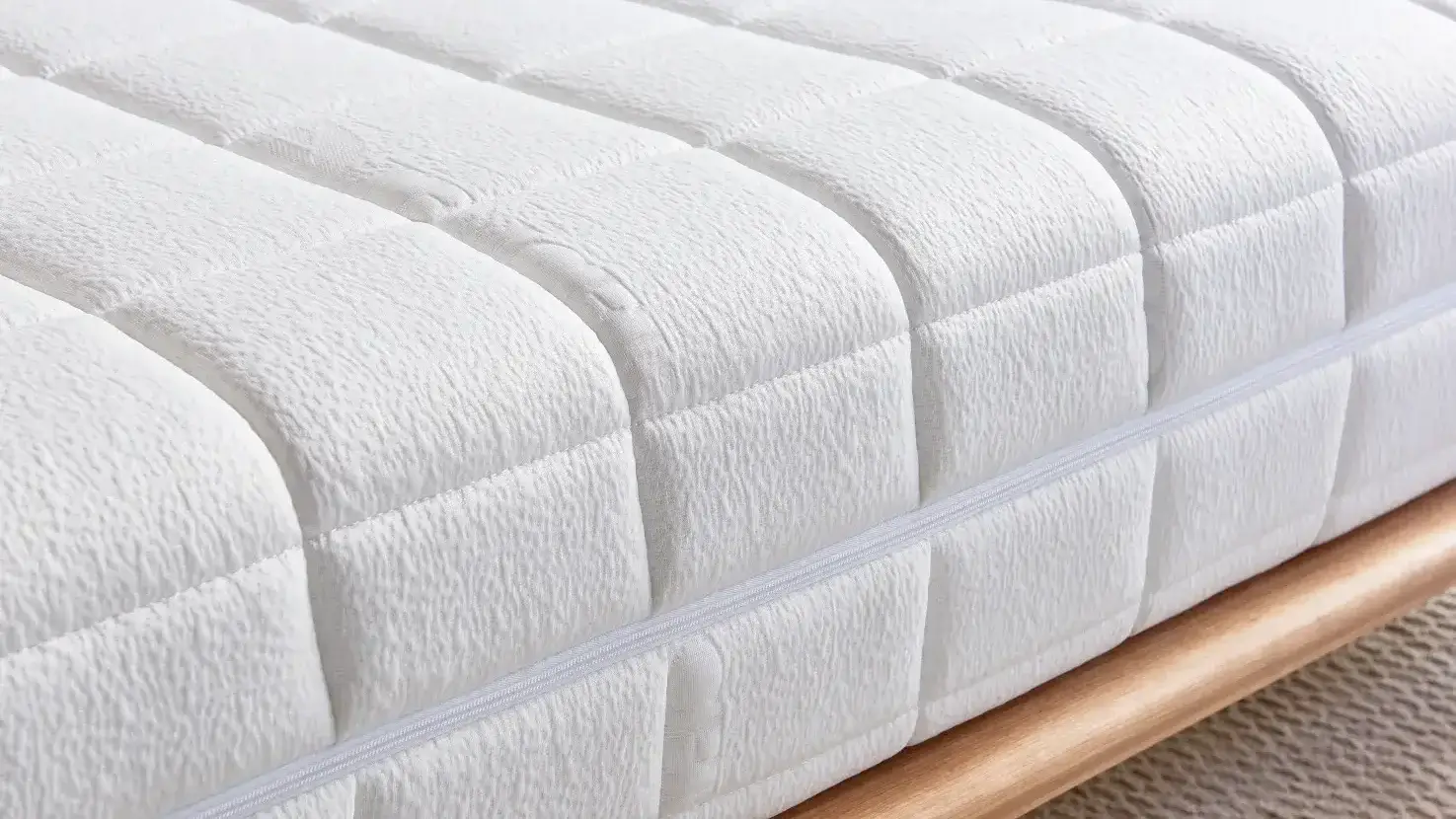
1. What Are the Standard Queen Mattress Dimensions?
A standard queen mattress in the United States measures 60 inches wide by 80 inches long. These dimensions provide a reference for selecting a compatible bed frame, mattress protector, and fitted sheets.
However, mattress height is separate from width and length. A queen mattress can have different thicknesses depending on its comfort layers, support system, and overall design.
Understand Width and Length
The 60-inch width and 80-inch length describe the standard sleeping surface. When buying a mattress, use these measurements to check that it matches your intended bed frame.
Do not assume the external dimensions of a bed frame are identical to those of the mattress. Frames usually have their own measurements, and upholstered designs may extend beyond the mattress footprint.
Consider Mattress Height Separately
Two queen mattresses can have the same width and length but different heights. One model may have a relatively simple construction, while another includes multiple comfort layers or a thicker support system.
The additional height can change the appearance of the bed and how easy it is to get in and out of it. It can also affect which fitted sheets will fit properly.
Check for Nonstandard Sizes
Some manufacturers offer specialty sizes designed for particular beds, recreational vehicles, or custom furniture.
If you are replacing a mattress in an older bed frame, a guest room, or an RV, verify the actual measurements rather than relying on the word queen alone.
For standard dimensions and mattress-size guidance, consult the Sleep Foundation queen mattress dimensions guide.
2. How Thick Should a Queen Mattress Be?
Mattress thickness is an important part of the buying decision because it affects the total bed height, the space available for comfort materials, and compatibility with bedding.
There is no single ideal thickness for every queen mattress. The appropriate height depends on the mattress construction, your comfort preferences, your bed frame, and how easily you can get into and out of bed.
Low-Profile Queen Mattresses
Low-profile mattresses are generally no more than about 8 inches thick. They may be suitable for certain specialized beds, including bunk beds, trundle beds, or other designs with height restrictions.
However, a thinner mattress has less room for comfort and support layers. Check the product specifications carefully rather than assuming that a low-profile model will provide the same feel as a thicker mattress.
Standard-Thickness Queen Mattresses
A thickness of around 10 to 12 inches is commonly used for adult mattresses. This profile can accommodate a range of comfort layers and support systems.
The actual feel still depends on the materials and construction. Two mattresses of the same height can have different firmness levels, pressure-relieving characteristics, and responses to movement.
Thick and Extra-Thick Queen Mattresses
A thicker queen mattress may provide additional space for comfort materials and a substantial support core. Some sleepers prefer this profile because of its cushioning or the overall height of the finished bed.
However, greater thickness does not automatically mean better quality. A thick mattress can still have unsuitable materials or construction, and its added height may make the bed inconvenient to use.
Queen Mattress Thickness Guide
| Thickness | General Description | What to Consider |
|---|---|---|
| Up to 8 inches | Low-profile design | Height restrictions and available support layers |
| 8–10 inches | Slim profile | Total bed height and comfort preferences |
| 10–12 inches | Common adult mattress profile | Construction, firmness, and foundation compatibility |
| 12–14 inches | Thick or deep profile | Sheet pocket depth and combined bed height |
| 14 inches or more | Extra-thick profile | Ease of access, bedding fit, and handling |
These ranges are general categories, not universal standards. Manufacturers may classify mattress heights differently. For more detail, read the Sleep Foundation guide to mattress thickness.
Before choosing a thickness, calculate the approximate height of the complete bed by adding the mattress, foundation, and bed frame heights where relevant. Consider whether you can sit comfortably on the edge with your feet resting on the floor.
3. What Types of Queen Mattresses Can You Choose?
Queen describes the mattress size, not the materials or internal structure. A queen mattress can use foam, latex, a spring system, or a combination of materials.
Understanding the construction helps you compare products with the same external dimensions but different comfort characteristics.
Memory Foam Queen Mattresses
Memory foam mattresses use foam designed to contour to the body under pressure. Depending on the formulation, the surface may create a close, embracing sensation.
When comparing models, examine the comfort layers, support base, responsiveness, and temperature-related product features. Foam mattresses can vary significantly, so the material name alone does not tell you exactly how a product will feel.
Latex Queen Mattresses
Latex mattresses use latex in some or all of their comfort layers. They are commonly associated with a resilient, responsive feel, although actual performance depends on the formulation and complete construction.
Check whether a product uses natural latex, synthetic latex, or a blend. Also review the firmness options and supporting layers rather than judging the mattress only by the word latex.
Innerspring Queen Mattresses
Innerspring mattresses use a spring system as a major part of their support structure. Their feel depends on the spring design, padding, cover, and other construction details.
When comparing products, check the spring system and comfort materials together. The same broad category can include mattresses with noticeably different cushioning and responsiveness.
Hybrid Queen Mattresses
Hybrid mattresses combine a spring support core with comfort layers made from materials such as foam or latex. This design allows manufacturers to combine different material characteristics within one mattress.
For example, a product may combine a spring system with a foam comfort layer. However, the result depends on the actual construction, not simply the word hybrid.
What to Compare Across Mattress Types
| Feature | What to Check |
|---|---|
| Comfort layer | Material, thickness, and surface feel |
| Support core | Foam, springs, latex, or a combination |
| Firmness | Whether it matches your preferences |
| Temperature features | Cover fabric, layer design, and verified specifications |
| Edge construction | Stability when sitting or sleeping near the perimeter |
| Product documentation | Materials, care instructions, and warranty terms |
For examples of different spring-based constructions, you can explore the Easy&Rest mid-range pocket spring mattress collection. Compare the listed materials and support systems rather than assuming every mattress uses the same construction.
4. How Firm Should a Queen Mattress Feel?
Firmness describes how soft or hard a mattress feels when you lie down. It is a personal experience influenced by body weight, body shape, sleeping position, and the construction of the mattress.
Choosing a queen mattress with the right firmness means assessing the complete sleeping surface rather than relying entirely on a product label.
Consider Your Sleeping Position
Side sleepers often pay attention to how the surface cushions the shoulders and hips. Back sleepers may focus on how the mattress accommodates the natural curves of the body, while stomach sleepers may pay closer attention to excessive sinking around the hips.
These are considerations rather than strict rules. People with the same sleeping position may prefer different firmness levels.
Understand the Difference Between Firmness and Support
A mattress can feel firm without providing the type of support you personally need. Likewise, a softer surface may feel supportive when its construction accommodates your body appropriately.
The comfort layers affect the initial sensation, while the underlying structure helps determine how the mattress responds to your weight.
When comparing queen mattresses, evaluate both the initial feel and how comfortable the surface remains when you lie in your normal position.
Consider Whether Two People Will Share the Mattress
If two people will use the same queen mattress, both should consider their comfort preferences. Differences in body weight, sleeping position, and preferred firmness can make the same mattress feel different to each person.
When possible, test the mattress together or review the available firmness options. If you are purchasing online, read the return conditions before ordering rather than assuming a trial period is included.
Test the Mattress in a Practical Way
If a showroom trial is available, lie on the mattress in your usual sleeping position instead of sitting on it briefly.
Pay attention to pressure, ease of movement, and whether the surface feels comfortable after you settle into position. If you cannot test the mattress in person, use the manufacturer’s specifications and available product information to narrow your choices.
5. What Bed Frame and Sheets Fit a Queen Mattress?
Choosing the correct mattress is only part of setting up a queen bed. The frame, foundation, fitted sheet, mattress protector, and other bedding must also work with the mattress’s dimensions and thickness.
Choose a Compatible Bed Frame
Start by checking that the frame is designed for a standard queen mattress. If you are reusing an existing frame, measure its mattress-supporting area and inspect the structure.
The foundation should provide the type of support required by the mattress manufacturer. Certain foam and hybrid mattresses may have specific requirements for a platform, slatted base, or other foundation.
Do not assume that every queen mattress can be placed on every frame simply because the labeled size matches.
Check Slat Spacing and Center Support
For a slatted bed frame, review the manufacturer’s requirements for slat spacing and center support. Different mattress constructions may require different levels of support.
Larger or heavier setups may also require a frame designed to carry the combined weight of the mattress and sleepers. Check the frame instructions rather than guessing how much support is needed.
Using an unsuitable foundation may affect mattress performance and could influence warranty coverage.
Select the Correct Fitted Sheets
Standard queen fitted sheets are intended for queen mattresses, but mattress depth matters. A fitted sheet designed for a thinner mattress may not stay securely in place on a deep model.
Check the sheet’s pocket depth and compare it with the actual mattress height. If you use a mattress topper or pad, include its height when assessing the fit.
The same principle applies to mattress protectors. Choose one that fits both the mattress size and its total depth.
Calculate the Finished Bed Height
Add the height of the frame, foundation, and mattress to estimate the final sleeping surface. This is especially important if you are replacing an old mattress with a much thicker model.
A taller bed can change how easily you get in and out, how the headboard looks, and whether your existing bedding fits correctly.
Bed Setup Checklist
| Item | What to Confirm |
|---|---|
| Bed frame | Designed for the mattress dimensions |
| Foundation | Approved for the mattress construction |
| Slats | Spacing meets manufacturer requirements |
| Center support | Adequate for the complete bed setup |
| Fitted sheet | Correct queen size and pocket depth |
| Mattress protector | Matches the mattress dimensions and height |
| Bed height | Comfortable and practical for everyday use |
6. How to Set Up and Care for a Queen Mattress
Proper setup and routine care can help protect your mattress from avoidable damage. The exact requirements depend on its construction, so follow the instructions provided for the individual model.
Follow the Delivery Instructions
Before delivery, confirm the access route to the bedroom, including doorways, staircases, and narrow turns. A queen mattress may be manageable in many homes, but the packaging and construction can affect how easily it moves through a property.
If the mattress arrives compressed or rolled, follow the manufacturer’s instructions for unpacking, placement, and initial use. Do not assume every mattress has the same expansion time or handling requirements.
Use a Mattress Protector
A suitable mattress protector can help reduce direct contact with spills and everyday dirt. Choose one that fits the mattress securely without bunching or changing the surface feel more than you prefer.
Follow the washing instructions for the protector and check whether the mattress manufacturer has any specific recommendations.
Clean the Mattress Correctly
Clean spills promptly and use only the cleaning methods approved for your mattress. Avoid soaking the interior, particularly when the materials are difficult to dry completely.
Regularly wash bedding and inspect the mattress surface for stains, unusual odors, or visible damage.
For more detailed advice, read Easy&Rest’s guide to how to clean a mattress.
Rotate or Flip Only When Recommended
Some mattresses can be rotated from head to foot, while others have specific constructions that make rotation unnecessary or unsuitable. Rotation is different from flipping the mattress upside down.
Check the manufacturer’s care instructions before changing the mattress’s orientation. Following the correct method can help you avoid damage and preserve any applicable warranty coverage.
Review the Warranty
Keep your purchase records and review the warranty so you understand the coverage period, qualifying defects, exclusions, and foundation requirements.
Do not assume that normal changes in feel or every type of indentation will qualify for a warranty claim. If a problem develops, document it and contact the manufacturer for guidance.
7. Queen Mattress FAQs
What Are the Standard Queen Mattress Dimensions?
A standard U.S. queen mattress measures 60 inches wide by 80 inches long. The actual product dimensions may vary slightly, so check the manufacturer’s specifications before ordering a frame, fitted sheet, or mattress protector.
How Thick Should a Queen Mattress Be?
There is no single ideal thickness for every queen mattress. Many adult models fall around 10 to 12 inches thick, while thinner and thicker designs are also available. Consider comfort, support, bed height, and bedding compatibility when making your choice.
Do All Queen Mattresses Fit the Same Bed Frame?
Not necessarily. A standard queen mattress is designed around common width and length measurements, but frame dimensions and construction can vary. Check the frame’s supporting area, the manufacturer’s requirements, and any special foundation instructions before purchasing.
What Sheets Do I Need for a Queen Mattress?
Choose fitted sheets labeled for queen mattresses and check that their pocket depth accommodates your mattress height. If you use a topper or mattress pad, include that additional depth when checking the fit.
Final Thoughts: Choose a Queen Mattress That Fits Your Needs
Choosing a queen mattress involves more than confirming its width and length. Consider the thickness, comfort materials, firmness, support system, bed frame, and fitted bedding before purchasing.
Check the manufacturer’s specifications, confirm the foundation requirements, and follow the care instructions after delivery. By evaluating the complete setup rather than looking at the mattress alone, you can choose a queen mattress that fits your bedroom and supports your everyday comfort preferences.