
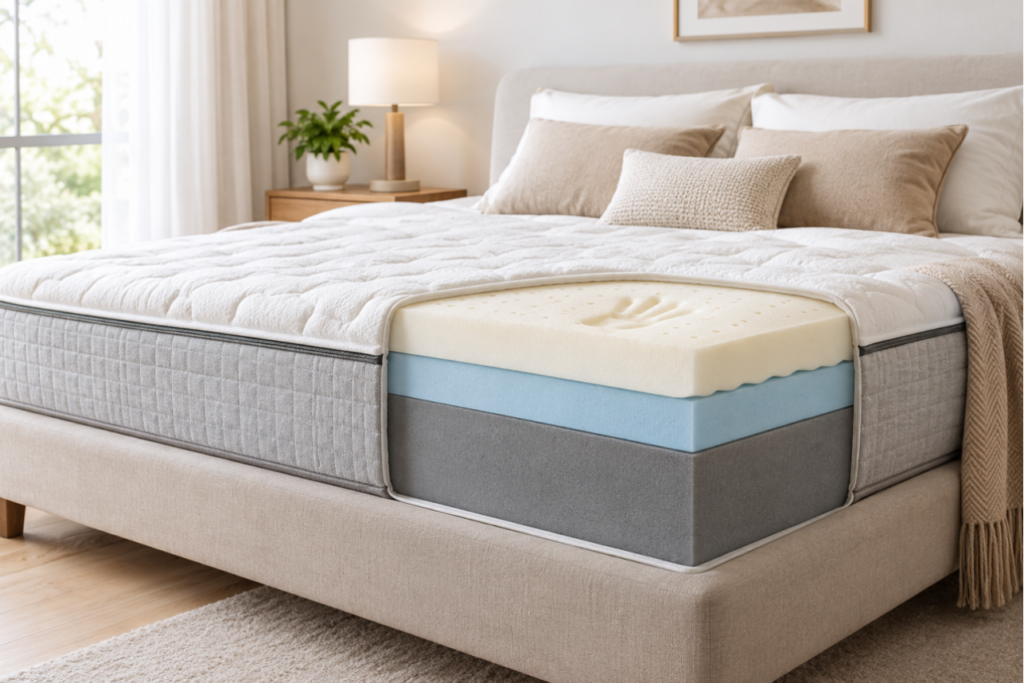
What are memory foam mattress layers, and why do they matter? A memory foam mattress is usually built as a system rather than a single slab of foam. Different layers can shape the surface feel, pressure relief, temperature response, stability, and overall durability. Sleep Foundation describes a common memory foam construction as a comfort layer, a transition layer, and a support core, with a cover around the mattress. mattress construction guide provides a useful overview of how these sections fit together.
The key idea: the foam you feel first is only one part of the mattress. Looking at every layer can tell you much more about how the bed is likely to perform.
1. Mattress Cover and Quilting
The outer cover is the first layer you touch. It can be made from fabrics such as cotton, polyester, Tencel, or blends, and some designs add quilted foam or fiber for extra surface cushioning. The cover can affect the initial feel and breathability, but it should not be confused with the deeper comfort layers that determine much of the mattress response.
2. The Memory Foam Comfort Layer
This is usually the star of a memory foam mattress. Memory foam is commonly used close to the sleeping surface because it conforms closely to the body. That can create a pressure-relieving, body-hugging feel and can also reduce movement across the bed. The thickness and formulation of this layer make a noticeable difference: a thicker comfort layer often feels more cushioned, while a thinner layer can feel firmer and let you interact more with the layers underneath.
Not every memory foam mattress uses the same type of foam. Some designs use more breathable or open-cell foams in the upper layers to help manage heat. Sleep Foundation notes that memory foam can retain heat, while newer constructions may use cooling features such as open-cell structures or gel infusions.Learn more about memory foam
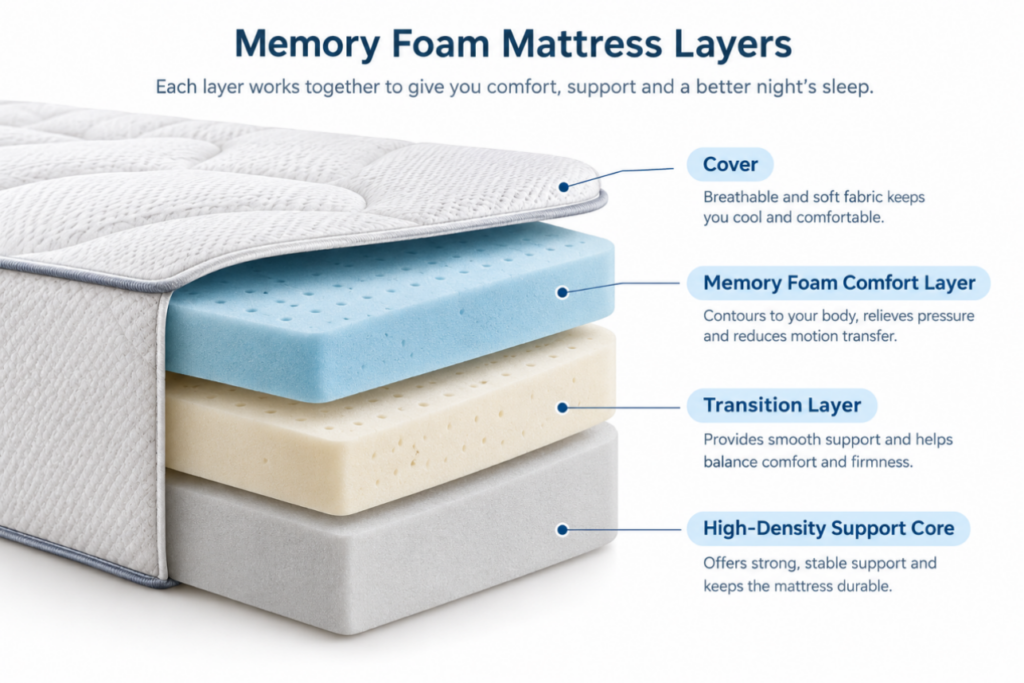
Image 2. The main layers found in a typical memory foam mattress.
3. The Transition Layer: The Bridge Between Comfort and Support
The transition layer sits below the comfort system. Its job is to create a smoother step between softer upper foam and the firmer support core. It may help limit excessive sinkage and provide a more stable base for the body without making the mattress feel abruptly hard. Transition layers are often made from firmer polyfoam, latex, or other materials, and Sleep Foundation notes that they are commonly around 1 to 3 inches thick.See how transition layers work
Why does this layer matter? Imagine removing the middle layer from a mattress with very soft memory foam on top and a very firm base underneath. The change in feel can be much sharper. A well-designed transition layer helps the two sections work together.
4. The Support Core: The Foundation of the Mattress
The support core is the thick, firm foundation under the comfort system. In an all-foam mattress, it is commonly made from high-density polyfoam. Its job is to stabilize the mattress, reinforce the upper layers, and reduce excessive sinkage. Sleep Foundation describes support cores as the structural base of a mattress and notes that they are usually among the thickest components.mattress support cores can vary substantially between models, so two mattresses with similar-looking top foam can still feel very different.
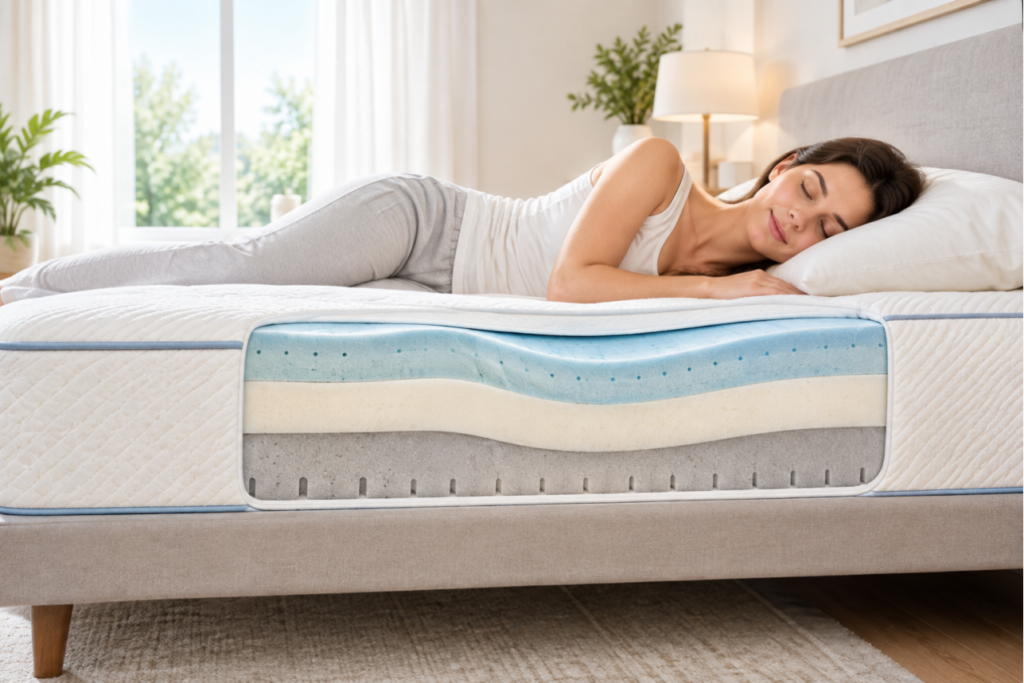
Image 3. A cutaway view shows how the layers respond beneath the sleeper.
5. How Thickness Changes the Feel
Mattress thickness is more than a marketing number. The total height comes from the cover, comfort system, transition materials, and support core. A thicker comfort system generally allows more cushioning, while a thinner one tends to bring the sleeper closer to the support core. Sleep Foundation notes that comfort layers are often around 1 to 4 inches, while support cores can make up a much larger share of the mattress.mattress thickness guide
Instead of asking whether a thicker mattress is automatically better, look at what the extra height is doing. If additional thickness comes from useful comfort and transition materials, it may change pressure relief and feel; if most of the extra height comes from decorative or low-impact components, the difference may be smaller.
6. Memory Foam Density Matters Too
Two mattresses can both contain memory foam but use very different densities. Density is a measure of how much material is packed into a given volume. In general, higher-density foam tends to be more durable and supportive, while lower-density foam can feel lighter and may allow more airflow. The exact result still depends on the formulation, layer position, and the mattress as a whole.foam density guide
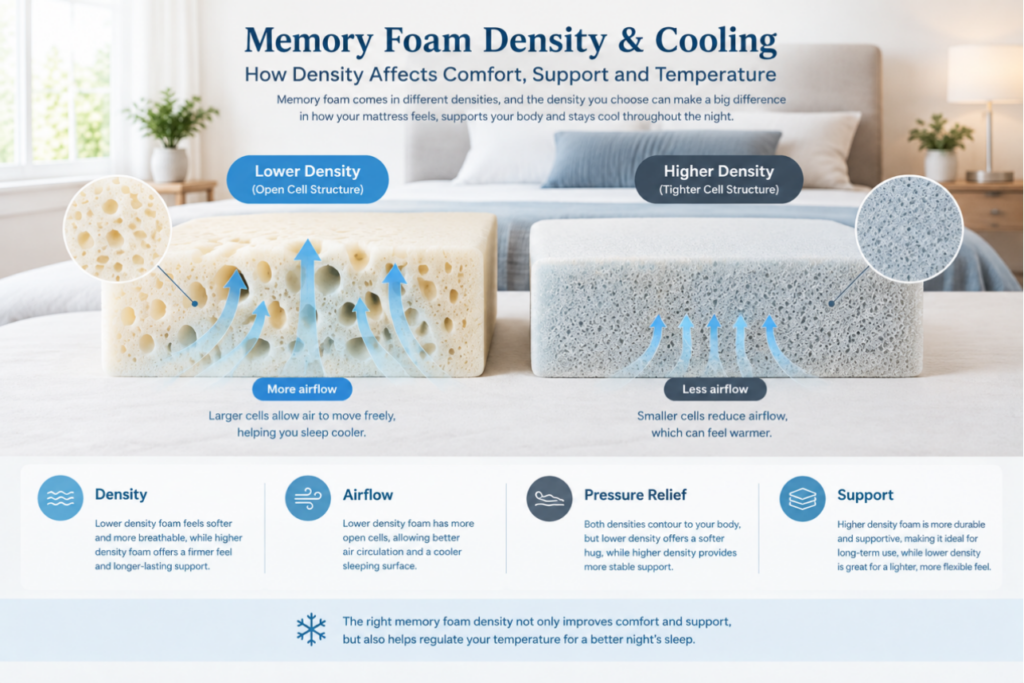
Image 4. Density can influence support, durability, and temperature response.
7. What About Cooling and Hybrid Designs?
Memory foam is often chosen for contouring and motion isolation, but temperature is part of the construction story too. Upper-layer materials, foam density, airflow channels, cover fabrics, room temperature, and bedding can all affect how warm a mattress feels. Some hybrid mattresses also combine memory foam comfort layers with pocket springs, which can change the feel, airflow, and responsiveness compared with an all-foam build.
There is no single “perfect” layer stack. A softer sleeper profile may use thicker comfort foam, while a firmer design may use a thinner comfort system and a more substantial transition or support section. The best construction depends on the desired feel, body type, sleep position, and budget.
How to Read a Memory Foam Mattress Specification
| What to check | Why it matters |
| Cover | Look at the fabric, quilting, and whether the design prioritizes breathability or a plusher surface. |
| Comfort layer | Check the material, thickness, and formulation of the memory foam closest to the sleeper. |
| Transition layer | See whether a separate middle layer is used to balance contouring and support. |
| Support core | Identify the base material and thickness, especially for an all-foam design. |
| Density | Compare foam density when the manufacturer provides it, rather than relying on mattress height alone. |
| Total construction | Judge the layers as a system instead of focusing on a single material or specification. |
Final Thoughts
Understanding memory foam mattress layers makes mattress shopping much easier. Instead of judging a mattress by the top comfort foam alone, look at the cover, comfort layer, transition layer, support core, thickness, and foam density together. That gives you a clearer picture of how the mattress is designed to feel and perform.
For shoppers comparing different mattress builds, explore the Easy&Rest mattress collection to compare available constructions and materials. For businesses looking for a customized product, OEM mattress manufacturing solutions can be used to review customization options.
Sources: Sleep Foundation: What Is Memory Foam? · Mattress Construction · Foam Density
A simple guide to the cover, comfort layer, transition layer, and support core.
| Focus Keyphrase | memory foam mattress layers |
| SEO Title | Memory Foam Mattress Layers: What Each Layer Does |
| Meta Description | Learn how memory foam mattress layers work, from the cover and comfort foam to the transition layer and support core. |
| Keyphrase Synonyms | memory foam mattress construction; layers of a memory foam mattress; memory foam mattress structure; mattress foam layers |
| Slug | /memory-foam-mattress-layers/ |
| Search Intent | Informational – explain mattress construction and help shoppers compare materials, thickness, and density. |
What are memory foam mattress layers, and why do they matter? A memory foam mattress is usually built as a system rather than a single slab of foam. Different layers can shape the surface feel, pressure relief, temperature response, stability, and overall durability. Sleep Foundation describes a common memory foam construction as a comfort layer, a transition layer, and a support core, with a cover around the mattress. mattress construction guide provides a useful overview of how these sections fit together.
The key idea: the foam you feel first is only one part of the mattress. Looking at every layer can tell you much more about how the bed is likely to perform.
1. Mattress Cover and Quilting
The outer cover is the first layer you touch. It can be made from fabrics such as cotton, polyester, Tencel, or blends, and some designs add quilted foam or fiber for extra surface cushioning. The cover can affect the initial feel and breathability, but it should not be confused with the deeper comfort layers that determine much of the mattress response.
2. The Memory Foam Comfort Layer
This is usually the star of a memory foam mattress. Memory foam is commonly used close to the sleeping surface because it conforms closely to the body. That can create a pressure-relieving, body-hugging feel and can also reduce movement across the bed. The thickness and formulation of this layer make a noticeable difference: a thicker comfort layer often feels more cushioned, while a thinner layer can feel firmer and let you interact more with the layers underneath.
Not every memory foam mattress uses the same type of foam. Some designs use more breathable or open-cell foams in the upper layers to help manage heat. Sleep Foundation notes that memory foam can retain heat, while newer constructions may use cooling features such as open-cell structures or gel infusions.Learn more about memory foam
3. The Transition Layer: The Bridge Between Comfort and Support
The transition layer sits below the comfort system. Its job is to create a smoother step between softer upper foam and the firmer support core. It may help limit excessive sinkage and provide a more stable base for the body without making the mattress feel abruptly hard. Transition layers are often made from firmer polyfoam, latex, or other materials, and Sleep Foundation notes that they are commonly around 1 to 3 inches thick.See how transition layers work
Why does this layer matter? Imagine removing the middle layer from a mattress with very soft memory foam on top and a very firm base underneath. The change in feel can be much sharper. A well-designed transition layer helps the two sections work together.
4. The Support Core: The Foundation of the Mattress
The support core is the thick, firm foundation under the comfort system. In an all-foam mattress, it is commonly made from high-density polyfoam. Its job is to stabilize the mattress, reinforce the upper layers, and reduce excessive sinkage. Sleep Foundation describes support cores as the structural base of a mattress and notes that they are usually among the thickest components.mattress support cores can vary substantially between models, so two mattresses with similar-looking top foam can still feel very different.
5. How Thickness Changes the Feel
Mattress thickness is more than a marketing number. The total height comes from the cover, comfort system, transition materials, and support core. A thicker comfort system generally allows more cushioning, while a thinner one tends to bring the sleeper closer to the support core. Sleep Foundation notes that comfort layers are often around 1 to 4 inches, while support cores can make up a much larger share of the mattress.mattress thickness guide
Instead of asking whether a thicker mattress is automatically better, look at what the extra height is doing. If additional thickness comes from useful comfort and transition materials, it may change pressure relief and feel; if most of the extra height comes from decorative or low-impact components, the difference may be smaller.
6. Memory Foam Density Matters Too
Two mattresses can both contain memory foam but use very different densities. Density is a measure of how much material is packed into a given volume. In general, higher-density foam tends to be more durable and supportive, while lower-density foam can feel lighter and may allow more airflow. The exact result still depends on the formulation, layer position, and the mattress as a whole.foam density guide
7. What About Cooling and Hybrid Designs?
Memory foam is often chosen for contouring and motion isolation, but temperature is part of the construction story too. Upper-layer materials, foam density, airflow channels, cover fabrics, room temperature, and bedding can all affect how warm a mattress feels. Some hybrid mattresses also combine memory foam comfort layers with pocket springs, which can change the feel, airflow, and responsiveness compared with an all-foam build.
There is no single “perfect” layer stack. A softer sleeper profile may use thicker comfort foam, while a firmer design may use a thinner comfort system and a more substantial transition or support section. The best construction depends on the desired feel, body type, sleep position, and budget.
How to Read a Memory Foam Mattress Specification
| What to check | Why it matters |
| Cover | Look at the fabric, quilting, and whether the design prioritizes breathability or a plusher surface. |
| Comfort layer | Check the material, thickness, and formulation of the memory foam closest to the sleeper. |
| Transition layer | See whether a separate middle layer is used to balance contouring and support. |
| Support core | Identify the base material and thickness, especially for an all-foam design. |
| Density | Compare foam density when the manufacturer provides it, rather than relying on mattress height alone. |
| Total construction | Judge the layers as a system instead of focusing on a single material or specification. |
Final Thoughts
Understanding memory foam mattress layers makes mattress shopping much easier. Instead of judging a mattress by the top comfort foam alone, look at the cover, comfort layer, transition layer, support core, thickness, and foam density together. That gives you a clearer picture of how the mattress is designed to feel and perform.
For shoppers comparing different mattress builds, explore the Easy&Rest mattress collection to compare available constructions and materials. For businesses looking for a customized product, OEM mattress manufacturing solutions can be used to review customization options.